
Start for $99No results? No chargeSame-day approvalNo price increases — everBuy now, pay later

Glutathione Shots vs Topical Glutathione: What Each Can Do for Skin

Shots carry glutathione through the whole body with a clinician involved. Creams and serums work where you apply them, cost less to try and need no needle. Here is what each has shown for skin.

Clinically reviewed
Medically reviewed by Arbor Health TeamMedical Content Team8 min read

At a glance

Human trials 2012 to 2016, a 2026 review, and Arbor's program terms
Body-wide, clinician-led
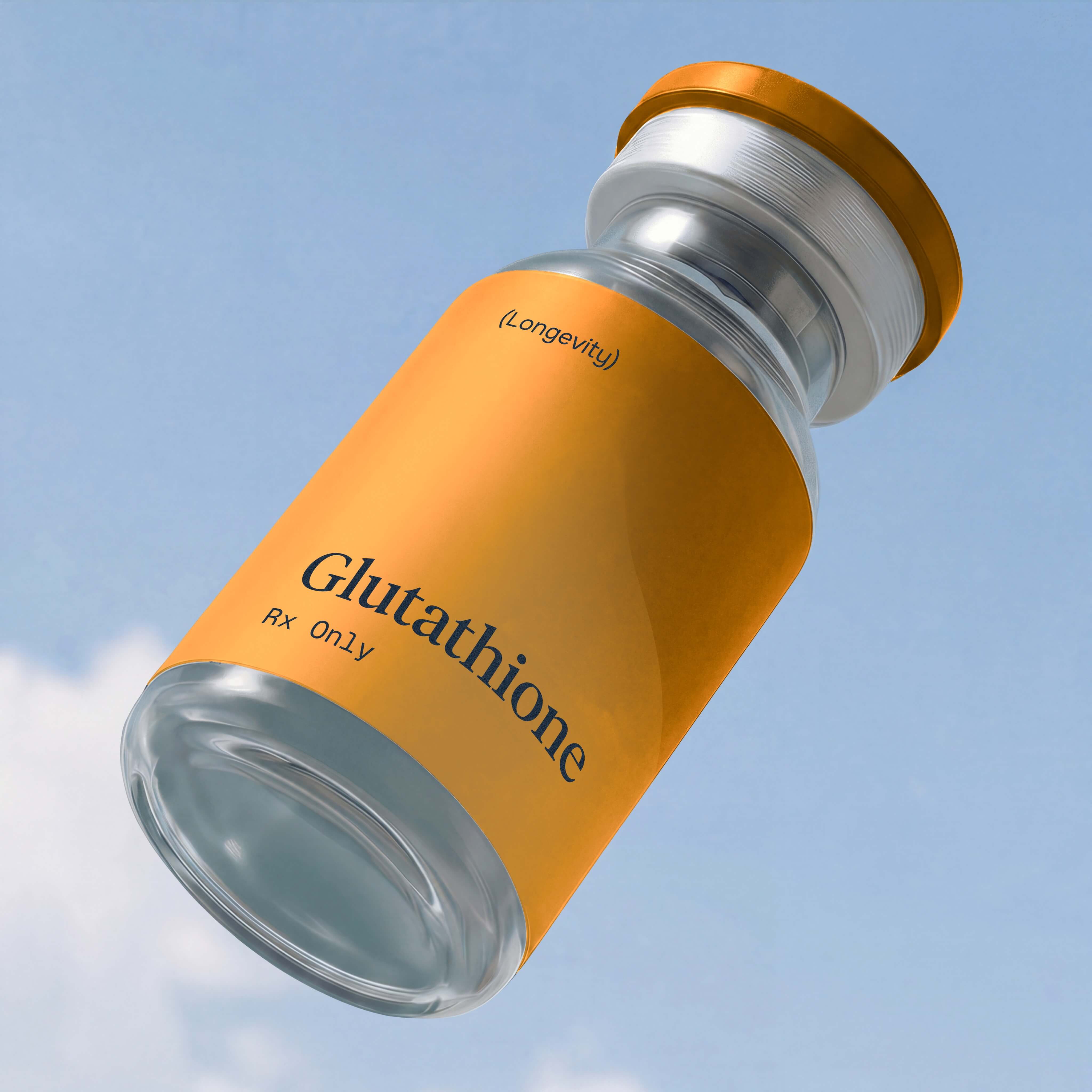
Glutathione vial

Glutathione shots

Compounded, small injection under the skin

  • ReachesThe whole body, via the blood
  • FDA statusCompounded, not FDA-approved

Topical glutathione

Cream, serum or lotion

−10.7%Key numberfacial melanin index, 2% lotion, 10 weeks

  • ReachesWhere you apply it
  • FDA statusNo FDA-approved product

The verdict: Glutathione shots reach the whole body, with a physician review and a clinician-set dose. Topical glutathione is the needle-free, no-prescription option, and a small placebo-controlled trial of a 2% lotion lowered facial melanin. Lightening evidence is small for every route. Arbor's glutathione is compounded and not FDA-approved.

Glutathione shots vs topical glutathione verdict

Glutathione shots and topical glutathione do different jobs. A shot puts glutathione into the bloodstream, where it reaches the whole body, and at Arbor it comes with a physician review and a dose your clinician sets. Topical glutathione stays where you spread it, costs less to try and needs no needle. It also has a direct skin trial: in 30 women, a 2% lotion cut the facial melanin index by about 11% over 10 weeks, against about 3% on the placebo side (Watanabe, 2014).

Neither form is proven to lighten skin for good, and Arbor does not prescribe glutathione for that. Its glutathione shots are a clinician-reviewed wellness program for antioxidant support. For an even tone on your face alone, a topical is the simpler first step.

Glutathione for skin at a glance

Most searches for glutathione for skin are about tone, but the trials measured more than color. Glutathione skin benefits reported in small studies include more moisture, smoother skin and fewer wrinkles with the 2% lotion (Watanabe, 2014), and fewer wrinkles at some sites with 250 mg a day by mouth (Weschawalit, 2017).

Glutathione shots vs creams side by side

Glutathione injections and creams carry the same molecule. The difference is where it goes and who decides the dose. For the oral side of the question, see the comparison of shots vs liposomal glutathione.

How each form reaches the skin

Glutathione is an antioxidant your cells build from three amino acids. In the skin it slows tyrosinase, the enzyme that starts melanin production, and steers pigment toward the lighter yellow-red type, according to a 2026 review of glutathione lightening routes.

A shot enters the bloodstream and reaches every tissue. After an intravenous infusion in 10 volunteers, plasma glutathione rose from about 17.5 to 823 micromoles per liter, with a half-life of about 14 minutes (Aebi, 1991). A cream works from the outside, and how much crosses the outer skin barrier has not been well measured.

What studies show for skin tone

Every route has some data, and none has much. The 2026 review judged the evidence too limited to justify routine use for cosmetic skin lightening, citing small samples, no standard outcome measures and little follow-up.

Topical: the 2% lotion trial in 30 Filipino women aged 30 to 50 read the melanin index on the cheek with a skin meter. Comparing two sides of the same face is a direct test, but it is one small trial, and three of its four authors worked for the company that makes the ingredient.

Oral: 60 medical students took 500 mg a day for 4 weeks. The melanin index fell at all six sites measured but beat placebo at only two, the face and a sun-exposed forearm (Arjinpathana, 2012). A 12-week trial of 250 mg a day in 57 women found no significant difference overall.

Injected: the one placebo-controlled trial gave 16 women 1,200 mg of intravenous glutathione with vitamin C twice a week for 6 weeks. Skin tone improved in 37.5%, against 18.7% on saline, a gap short of statistical significance (p = 0.054), and six months later one patient had kept the change (Zubair, 2016). Shots given under the skin have not been tested for skin tone in any published trial.

Glutathione cream, serum & lotion options

A glutathione cream, glutathione serum or glutathione lotion can carry one of three forms. Reduced glutathione, the form your body makes, breaks down quickly in water. Oxidized glutathione is more stable and is what the 2% lotion trial tested. S-acyl glutathione is a modified form, and a 2% cream of it reduced redness after ultraviolet exposure in one trial (Khanna, 2025).

The same review finds glutathione in under-eye creams, face masks, sunscreens and moisturizers. Strength matters. In a review of pigment trials, a 0.5% formula did better than 0.1% (Sarkar, 2025). Check the label for the form and the percentage.

Cost & routine

Arbor lists its glutathione program from $89 a month, one monthly price covering the medication, the physician review, 24/7 clinician access and check-ins. You self-inject a small dose under the skin at home on your clinician’s schedule.

A topical is an over-the-counter purchase with no prescription and no visit. The lotion trial applied it twice daily. A 2025 review described the lightening from topical and oral glutathione as unsustainable.

Prescription & FDA status

There are no FDA-approved glutathione products in the United States, including any injectable sold for lighter skin (CDC, 2026). Glutathione shots through Arbor are compounded for you by licensed 503A and 503B U.S. pharmacies on a prescription. Compounded drugs are not FDA-approved, which means FDA does not verify their safety, effectiveness or quality before they are marketed (FDA).

With any injection, ingredient quality matters. In August 2026, FDA reported adverse events in at least 30 patients given intravenous glutathione compounded from an ingredient labeled dietary supplement grade, which it says is not appropriate for injectable drugs (FDA, 2026). CDC advises asking whether an injectable was made with ingredients intended for injection, who compounded it, and whether that pharmacy is licensed.

From Watanabe et al. 2014, Zubair et al. 2016, Aloraini et al. 2026, FDA and CDC statements, and Arbor's published program terms. Arbor's glutathione is compounded and not FDA-approved. Arbor's price is its current list price and can change.
AttributeGlutathione shotsTopical glutathione
Where the glutathione goesInto the bloodstream, so it reaches the whole bodyStays where you apply it. How much passes the skin barrier is not well measured
Health reviewA board-certified physician reviews every intakeNone. You choose the product
DoseSet and adjusted by your clinicianSet by the product, and strengths vary
Ongoing support24/7 licensed clinicians and regular check-insNone. You track results yourself
Skin-tone trialsNo trial of shots under the skin. One small IV trial missed significanceSmall placebo-controlled trials, including a 30-person 2% lotion trial
To startOnline intake and a prescriptionBuy over the counter
NeedleA small injection at homeNone
PriceFrom $89/mo, care includedPriced per product
FDA statusCompounded, not FDA-approvedNo FDA-approved glutathione product exists

Scroll the table sideways to see both columns →

Who should choose glutathione shots or a topical

Your goal decides it. If you want glutathione working through the whole body rather than on one patch of skin, Arbor glutathione shots put it into circulation, with a physician’s review. For an energy-focused option as well, see NAD+ vs glutathione compared.

Glutathione shots may fit better when:

  • You want antioxidant support for the whole body, not only your face
  • You want a physician to review your history and medications
  • You want a clinician to set and adjust your dose
  • A small injection at home is fine with you

A topical may fit better when:

  • Your goal is your face, which a glutathione face cream or serum covers directly
  • You want no prescription and no needle
  • You want the lowest cost to start

A board-certified physician reviews your health history and goals and confirms glutathione is appropriate before anything ships. If it is not the right fit, you are not charged. Tell your clinician if you are pregnant or breastfeeding, and about everything you take, including supplements and skin products. For any question after you start, message your Arbor clinician.

Bottom line on glutathione for skin

Claims about glutathione skin whitening run ahead of the trials. Small studies show modest drops in melanin, mostly on sun-exposed skin, that have not been shown to last. A topical is the low-cost way to try it on your face. Glutathione shots raise levels through the whole body with a clinician involved, as antioxidant support rather than a lightening treatment.

To start with food and habits instead, see the guide to raising glutathione levels naturally. A licensed clinician reviews your history before any shot is prescribed.

This article is for general education and is not medical advice. It is not a substitute for evaluation, diagnosis, or treatment by a licensed clinician. Talk with a qualified clinician about your individual situation.

Arbor is a technology platform. Medical evaluations are conducted by independent, licensed healthcare providers who decide whether treatment is appropriate. Compounded medications are prepared by licensed U.S. pharmacies for individual patients and are not reviewed by the FDA for safety or effectiveness.

Frequently asked questions

Modestly, in small short trials. The honest answer to "does glutathione lighten skin" for good is that no trial has shown a lasting change. A 2% lotion lowered facial melanin over 10 weeks, 500 mg a day by mouth beat placebo at two of six sites in 4 weeks, and the intravenous trial missed significance, with the change gone in all but one patient six months later.

For getting glutathione into the blood, yes. The glutathione injection vs oral gap is absorption: a single 3 g oral dose did not raise plasma glutathione in 7 volunteers (Witschi, 1992), though 1,000 mg a day raised levels in blood cells and plasma 30% to 35% over six months (Richie, 2015). For skin tone, no trial has compared the two.

Ask your clinician first. No trial has tested a cream alongside glutathione shots, though a 2025 review found a 2% topical plus oral glutathione did better than either alone. Tell your clinician about every skin product you use.

Sources

  1. Aloraini K, et al. Glutathione for skin lightening via intravenous, oral, and topical routes: a critical narrative review. J Med Life. 2026;19(7):511-523.
  2. Watanabe F, et al. Skin-whitening and skin-condition-improving effects of topical oxidized glutathione: a double-blind and placebo-controlled clinical trial in healthy women. Clin Cosmet Investig Dermatol. 2014;7:267-274.
  3. Arjinpathana N, Asawanonda P. Glutathione as an oral whitening agent: a randomized, double-blind, placebo-controlled study. J Dermatolog Treat. 2012;23(2):97-102.
  4. Weschawalit S, et al. Glutathione and its antiaging and antimelanogenic effects. Clin Cosmet Investig Dermatol. 2017;10:147-153.
  5. Zubair S, Hafeez S, Mujtaba G. Efficacy of intravenous glutathione vs. placebo for skin tone lightening. J Pak Assoc Dermatol. 2016;26(3):177-181.
  6. Sarkar R, et al. Glutathione as a skin-lightening agent and in melasma: a systematic review. Int J Dermatol. 2025;64(6):992-1004.
  7. Khanna R, Rambhia P, Chapas A. Systematic review of the efficacy and safety of topical glutathione in dermatology. J Clin Aesthet Dermatol. 2025;18(9):51-54.
  8. Aebi S, Assereto R, Lauterburg BH. High-dose intravenous glutathione in man. Eur J Clin Invest. 1991;21(1):103-110.
  9. Witschi A, et al. The systemic availability of oral glutathione. Eur J Clin Pharmacol. 1992;43(6):667-669.
  10. Richie JP Jr, et al. Randomized controlled trial of oral glutathione supplementation on body stores of glutathione. Eur J Nutr. 2015;54(2):251-263.
  11. Centers for Disease Control and Prevention. Adverse events linked to injectable glutathione compounded with dietary supplement grade ingredient: current situation (September 2026).
  12. U.S. Food and Drug Administration. FDA reminds compounders not to use dietary supplement grade glutathione for injectables (August 27, 2026).
  13. U.S. Food and Drug Administration. Compounding and the FDA: questions and answers.
  • Longevity

    NAD+ benefits are some of the most repeated claims in longevity medicine. Here are nine, each graded by its human evidence and the form that was actually tested, because most of the data comes from oral precursors and animal studies, not from NAD+ injections.

    By Arbor Health Team

  • Longevity

    Growth hormone peptides are sold everywhere online, but only a few have human trials and fewer still can be prescribed. Here are five of the most searched, what the FDA has said about each, and why sermorelin is the one a clinician can prescribe for adults.

    By Arbor Health Team