
Start for $99No results? No chargeSame-day approvalNo price increases — everBuy now, pay later

NAD+ Injections vs NMN and NR Supplements: Which Actually Raises Your Levels

NMN and NR are building blocks you buy and dose yourself. NAD+ is the finished coenzyme, prescribed after a physician's review and prepared by a pharmacy for you. Here is the honest comparison.

Clinically reviewed
Medically reviewed by Arbor Health TeamMedical Content Team10 min read

At a glance

Arbor program details from startarbor.com; NMN and NR figures from published randomized trials and 2024 label testing

NMN and NR supplements

Oral NAD+ precursors, vitamin B3 family

+142%Key numberwhole blood NAD+ at 1,000 mg NR a day

  • FDA statusSupplement, not approved
  • RouteOral, daily
  • Who doses itYou, from the label
  • Physician reviewNone
  • Clinician accessNone built in
Offered by Arbor
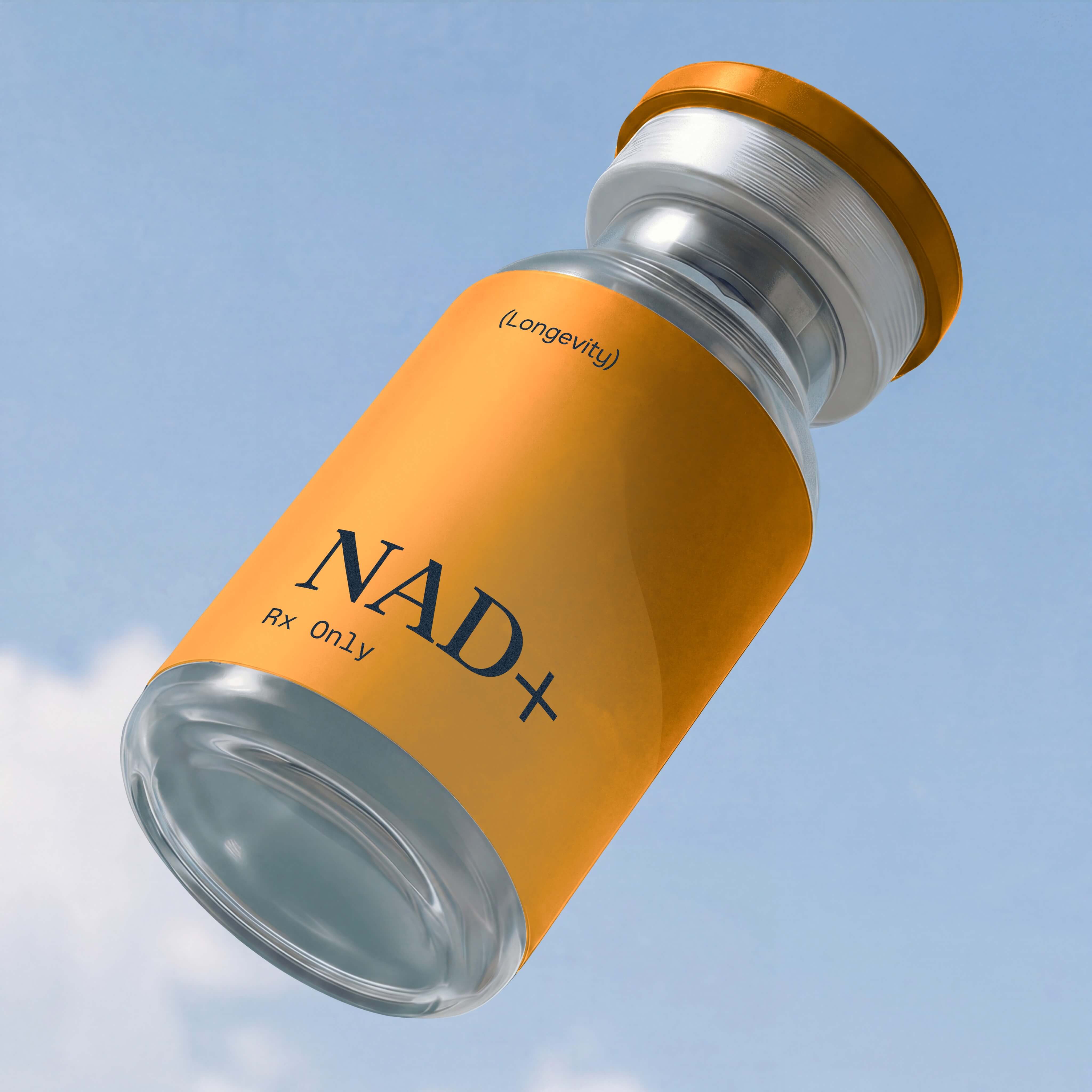
NAD+ vial

NAD+ injections

The coenzyme itself, compounded

  • FDA statusCompounded, not approved
  • RouteSubcutaneous, at home
  • Who doses itSet by your clinician
  • Physician reviewEvery intake
  • Clinician access24/7

The verdict: Arbor's NAD+ program adds what a capsule cannot: a physician review before anything ships, a clinician-set dose, a medication prepared by a licensed pharmacy for you and 24/7 clinician access, from $99 a month. NMN and NR have more oral trial data and cost less, but you screen, dose and monitor yourself.

The short answer

Both forms can raise NAD+ in the blood: oral NMN and NR in randomized trials, and NAD+ given directly into a vein in a small pilot study. The difference that matters is who is guiding it.

A prescribed program puts a physician between you and the product. In Arbor's NAD+ program, a board-certified physician reviews your intake before anything ships, your clinician sets and adjusts the dose, a licensed U.S. pharmacy prepares the medication for you, and licensed clinicians are available 24/7, from $99 a month.

NMN and NR have one genuine advantage: more oral trial data on blood levels, at a lower price. What they leave out is everything around the capsule: no screening, no clinician-set dose, nobody watching your response, and a product that may not match its label.

Injected NAD+ is a compounded medication, not FDA-approved, and published human evidence for the injected form is limited. No NAD+ product is proven to slow aging, add energy or prevent disease. A program supports your levels under clinician guidance rather than promising a specific result.

How each one works

NAD+ is a coenzyme found in every cell. It shuttles electrons, cycling between NAD+ and its reduced form, NADH, in the reactions that turn food into energy, and it feeds repair enzymes such as sirtuins and PARPs. Animal and cell studies put the age-related decline at 10% to 65%, depending on the organ and age (Covarrubias and colleagues, 2021).

How NR and NMN become NAD+

Your body builds NAD+ from vitamin B3 compounds through a recycling route called the salvage pathway. Nicotinamide becomes NMN through the enzyme NAMPT, and NMN becomes NAD+ through the NMNAT enzymes. NR enters one step earlier, converted to NMN by nicotinamide riboside kinases. So NR is two steps from the finished molecule and NMN is one.

That one-step difference is the core of most NMN marketing, and it matters less than it sounds. The same review notes that NMN outside a cell is generally converted to NR before cells take it in, although a dedicated NMN transporter has been found in the small intestine. Both end up in the same pathway.

Why NAD+ itself is injected

Human trials of oral products test precursors, not NAD+ itself, and the authors of the IV pilot below call intravenous delivery the most direct way to raise NAD+ levels. So NAD+ is given by infusion or by injection under the skin, which bypasses digestion. It does not bypass cell biology: NAD+ does not cross cell membranes, so circulating NAD+ is broken into smaller pieces that cells take up and rebuild. In an Arbor program it is a small subcutaneous injection at home, on a schedule your clinician sets, as our NAD+ explainer describes.

What the human trials show

The supplements have more data on blood levels, and no form has strong data on health outcomes.

NR: blood NAD+ rises with the dose

In an 8-week randomized, double-blind, placebo-controlled trial in healthy overweight adults, 100, 300 and 1,000 mg of NR a day raised whole blood NAD+ by 22%, 51% and 142% within two weeks, and the increases held for the rest of the study. There was no flushing and no difference in adverse events between NR and placebo (Conze and colleagues, 2019). The study was funded by the company that supplies the NR ingredient tested.

NMN: levels rise, outcomes are modest

A 60-day randomized, multicenter, double-blind trial gave 80 healthy middle-aged adults placebo or 300, 600 or 900 mg of NMN a day. Blood NAD+ rose in every NMN group at day 30 and day 60, highest at 600 and 900 mg, with no safety issues on laboratory or clinical measures. Six-minute walking distance improved more than with placebo, while insulin resistance (HOMA-IR) did not differ from placebo (Yi and colleagues, 2023). The two companies that developed and manufactured the NMN fully funded the trial.

That is the pattern across the precursor research: a reliable rise in a blood marker, small functional signals, and no trial long or large enough to show a hard health outcome.

Injected NAD+: early human data

The best-known human study of NAD+ given directly is a pilot in 11 healthy men: 8 received 750 mg of NAD+ by intravenous infusion over 6 hours and 3 received saline. Plasma NAD+ did not rise for the first two hours, as the body cleared it as fast as it arrived, then reached about 400% above baseline at 6 hours. No adverse events were observed. Before that paper, no data existed on the fate of infused NAD+ in people (Grant and colleagues, 2019).

We did not find a published randomized trial of subcutaneous NAD+ in healthy adults, and a randomized trial comparing injectable NR with NAD+ is listed on ClinicalTrials.gov with no results posted. Our clinicians frame NAD+ as support for a real decline, prescribed only when a physician decides it is appropriate for you, with responses that vary.

Side by side

Arbor program details from startarbor.com, verified October 7, 2026. NR figures from Conze 2019; NMN from Yi 2023; IV pilot from Grant 2019; label testing from Sandalova 2024; NMN regulatory status from FDA's September 29, 2025 petition response.
AttributeNMN and NR supplementsNAD+ injections
Form and routeOral capsule or powder, taken dailyThe coenzyme itself, a small injection under the skin at home
Screening before you startNone; you decide whether it suits youA board-certified physician reviews your intake before anything ships
Who sets the doseYou, from the label; no established doseYour clinician sets the dose and schedule and adjusts it over time
Ongoing supportNone built in24/7 licensed clinicians and regular check-ins
How the product is madeMass-market; 2024 testing found 3 of 18 NMN products with no detectable NMNPrepared by a licensed U.S. pharmacy for you, on a physician's prescription; not FDA-reviewed
Blood NAD+ evidenceSeveral randomized trials (NR up to 142%; NMN at 300 to 900 mg)One IV pilot in 8 infused men; no published subcutaneous trial
FDA statusDietary supplements, not FDA-approved; NMN back in the supplement category since September 2025Compounded medication, not FDA-approved
What the monthly price coversThe capsules only, at a lower price that varies by brandFrom $99/mo: medication, physician review, clinician care and check-ins

Scroll the table sideways to see both columns →

Side effects and safety

All three forms were well tolerated in the short studies that exist, and none has long-term safety data. What differs is who checks before you start.

NMN and NR

Trials up to 1,000 mg of NR and 900 mg of NMN a day reported adverse events no different from placebo, and the NR trial recorded no flushing, the warm skin reaction plain niacin can cause. No regulator checks that a supplement matches its label, so the practical risk is often the product. A 2024 analysis of 18 NMN supplements bought online and in pharmacies found most held less than their labels claimed, ranging from 11.2% above the label to none detectable in three products (Sandalova and colleagues, 2024).

Injected NAD+

The most common effects are mild injection-site reactions such as redness or soreness, and some people notice temporary nausea, headache or fatigue as their body adjusts. Arbor prescribes the subcutaneous form: a small dose at home on your clinician's schedule, not hours in a clinic chair.

Who should ask first

A physician review is built to catch these. Ask a clinician before taking any NAD+ booster if you have:

  • A personal history of cancer: NAD+ fuels repair in every cell, including abnormal ones, and no trial has settled what that means
  • Pregnancy, breastfeeding or plans for a pregnancy, since none of these forms has been studied in that setting
  • Diabetes or blood pressure medication, or high-dose niacin or another NAD+ booster already in your routine

Message us instead of guessing

Swelling of the face, lips or throat, trouble breathing, chest pain, or a spreading rash after any injection means stop and seek emergency care. A sore injection site, a headache or a wave of nausea is a message to your Arbor clinician, not something to push through or treat with a bigger dose.

FDA status, cost and quality

Here is the regulatory story exactly, as of October 7, 2026.

The NMN story, 2022 to 2025

On October 11, 2022, the FDA told an NMN supplier that NMN was excluded from the dietary supplement definition, because the agency concluded it had been authorized for investigation as a new drug before it was lawfully marketed as a supplement. Two trade groups petitioned in March 2023. On September 29, 2025, the FDA changed course: earlier marketing no longer has to have been lawful to count, and NMN was sold as a supplement in the United States as early as 2017, before the drug authorization, so it is not excluded (FDA petition response, docket FDA-2023-P-0872). On December 2, 2025, the agency set aside its 2022 letters and acknowledged the supplier's notification for NMN at up to 400 mg a day, a procedural step it says is not a safety finding (FDA letter, NDI 1259).

NR has not faced an exclusion like this. One crystalline form of NR chloride is generally recognized as safe for use in foods and has been the subject of two new dietary ingredient notifications, as the 2019 trial paper records. Neither precursor is FDA-approved for anything; dietary supplements are not approved products.

Injected NAD+: a compounded prescription

Injectable NAD+ is prepared by a licensed compounding pharmacy for an individual patient, on a prescription written after a physician's review. Compounded drugs are not FDA-approved, and the FDA does not verify their safety, effectiveness or quality before they are marketed (FDA compounding Q&A). State boards of pharmacy oversee most compounding pharmacies, and your clinician monitors how you respond. Our compounding explainer covers how 503A and 503B pharmacies are regulated.

What each one costs

Arbor's NAD+ program starts at $99 a month, with no insurance required and no membership fees. One monthly price covers the medication, the physician review, 24/7 clinician access and check-ins, and it does not rise as your dose changes. If a physician decides the program is not right for you, you are not charged. A bottle of NMN or NR costs less, and it buys the capsules alone.

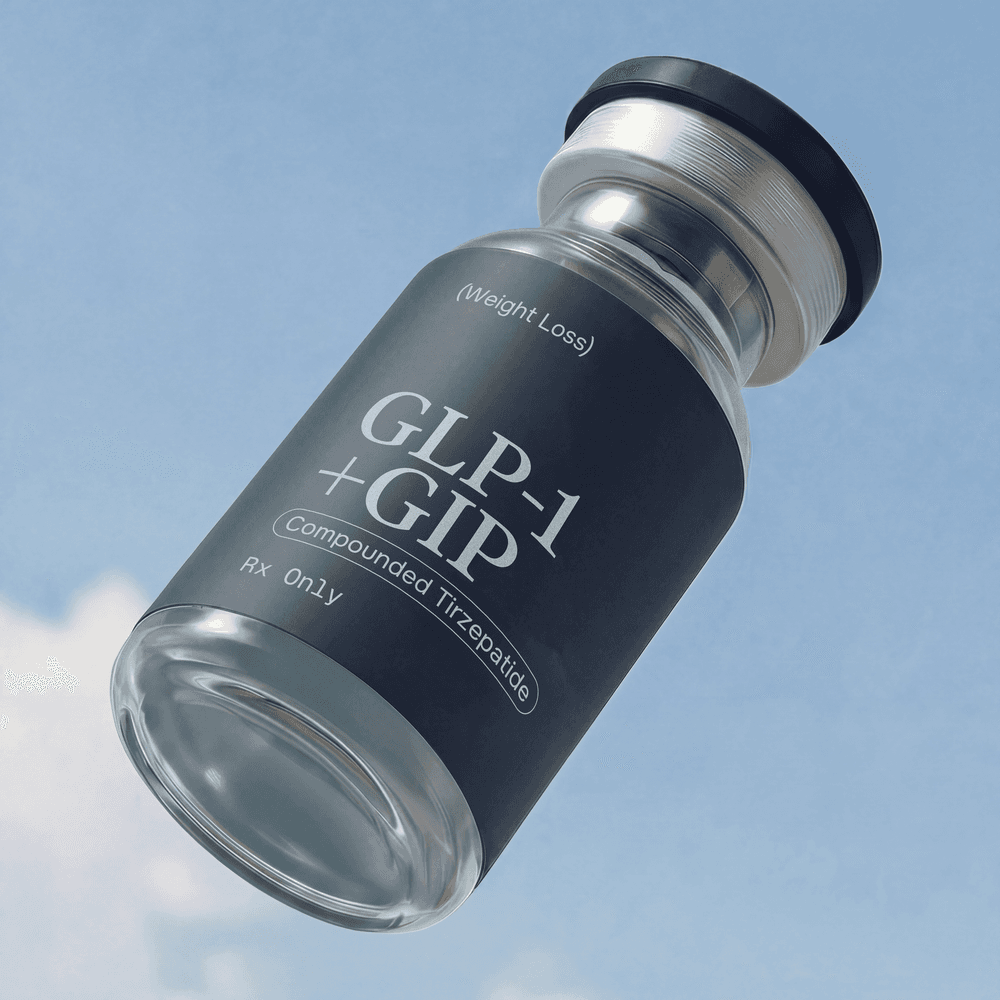
Tirzepatide vial
Weight lossTirzepatide

Dual-action GLP‑1/GIP for faster results

From
$149/mo
Taken
Once-weekly injection
Type
Dual GLP‑1/GIP agonist
Learn more

How Arbor clinicians choose

Our clinicians start from what you want the program to do and what your health history allows. For most people, the deciding question is whether they want medical oversight or a product they manage alone.

Start with a clinician-guided NAD+ program when

  • You want a physician to review your health history and decide whether supporting NAD+ is appropriate at all
  • You want your dose and schedule set, and adjusted over time, by a clinician you can reach any time
  • You want a medication prepared by a licensed pharmacy for you, not a product whose contents may differ from its label
  • You are comfortable with a small at-home injection and want expectations set honestly from the start

NMN or NR might suit you when

  • You prefer a capsule to an injection, you are comfortable choosing a brand and dose yourself, and cost is the deciding constraint

Either way, resistance training, protein, sleep and not smoking carry more weight than any NAD+ booster, and a program sits on top of them. The 90-second quiz is where a physician starts the review, and if it is not the right fit, it is not prescribed.

Tell your clinician about any NMN, NR or high-dose niacin you already take. It belongs in the review, and stacking NAD+ boosters without a plan is the guesswork a program is meant to replace.

This article is for general education and is not medical advice. It is not a substitute for evaluation, diagnosis, or treatment by a licensed clinician. Talk with a qualified clinician about your individual situation.

Arbor is a technology platform. Medical evaluations are conducted by independent, licensed healthcare providers who decide whether treatment is appropriate. Compounded medications are prepared by licensed U.S. pharmacies for individual patients and are not reviewed by the FDA for safety or effectiveness.

Frequently asked questions

It depends on what you want. NMN has more oral trial data: 300 to 900 mg a day raised blood NAD+ in an 80-person randomized trial in 2023. NAD+ itself is given by injection, and a prescribed program adds a physician review, a clinician-set dose and ongoing support. Neither is proven to improve health outcomes.

No trial has compared them head to head on outcomes. Both raise blood NAD+ in randomized studies: NR by 22% to 142% across 100 to 1,000 mg a day in an 8-week trial, NMN at 300 to 900 mg in a 60-day trial. NR never faced the FDA exclusion NMN did. Product quality and dose matter more than the molecule.

No. NMN reliably raises a blood marker, and small trials report modest functional signals such as longer six-minute walking distance. No study has shown that NMN, NR or NAD+ reverses aging or extends human lifespan, and the trials cited here ran for 8 weeks and 60 days. A product that promises otherwise is marketing.

In a randomized trial of up to 900 mg a day for 60 days, adverse events were no different from placebo and laboratory measures showed no safety issues. The bigger risk is the product: a 2024 analysis of 18 NMN supplements found most held less than their labels claimed, and three had no detectable NMN at all.

Not at trial doses in healthy adults. The 2023 trial of up to 900 mg a day for 60 days monitored laboratory measures and found no safety issues. Long-term data do not exist, so anyone with liver disease should ask a clinician before taking any NAD+ booster.

Yes, it can be sold as a dietary supplement. On September 29, 2025, the FDA concluded that NMN is not excluded from the dietary supplement definition, reversing its October 2022 position, and in December 2025 it acknowledged a supplier's notification for NMN at up to 400 mg a day. Lawful to sell is not the same as FDA-approved.

Sources

  1. Covarrubias AJ, Perrone R, Grozio A, Verdin E. NAD+ metabolism and its roles in cellular processes during ageing. Nat Rev Mol Cell Biol. 2021;22(2):119-141.
  2. Conze D, Brenner C, Kruger CL. Safety and metabolism of long-term administration of NIAGEN (nicotinamide riboside chloride) in a randomized, double-blind, placebo-controlled clinical trial of healthy overweight adults. Sci Rep. 2019;9:9772.
  3. Yi L, Maier AB, Tao R, et al. The efficacy and safety of beta-nicotinamide mononucleotide (NMN) supplementation in healthy middle-aged adults: a randomized, multicenter, double-blind, placebo-controlled, parallel-group, dose-dependent clinical trial. GeroScience. 2023;45(1):29-43.
  4. Grant R, Berg J, Mestayer R, et al. A pilot study investigating changes in the human plasma and urine NAD+ metabolome during a 6 hour intravenous infusion of NAD+. Front Aging Neurosci. 2019;11:257.
  5. Sandalova E, Li H, Guan L, et al. Testing the amount of nicotinamide mononucleotide and urolithin A as compared to the label claim. GeroScience. 2024;46(5):5075-5083.
  6. U.S. Food and Drug Administration, Human Foods Program. Response letter to Natural Products Association and Alliance for Natural Health USA, citizen petition on beta-nicotinamide mononucleotide. Docket FDA-2023-P-0872, September 29, 2025.
  7. U.S. Food and Drug Administration. Reinstatement response letter to Inner Mongolia Kingdomway Pharmaceutical Limited regarding NDI 1259, beta-nicotinamide mononucleotide (NMN). December 2, 2025.
  8. U.S. Food and Drug Administration. Compounding and the FDA: questions and answers.