
Start for $99No results? No chargeSame-day approvalNo price increases — everBuy now, pay later

NAD+ Injections vs NAD+ IV Therapy: Time, Cost and Comfort Compared

One route puts NAD+ into a vein over hours in a clinic. The other is a small shot at home on a schedule your clinician sets. Here is the honest comparison on time, cost and comfort, and how our clinicians choose between the two.

Clinically reviewed
Medically reviewed by Arbor Health TeamMedical Content Team9 min read

At a glance

Infusion figures from published IV NAD+ studies; Arbor pricing from startarbor.com

NAD+ IV therapy

Infusion into a vein, clinic or mobile nurse

97Key numbermin (average 500 mg NAD+ infusion, 2026 clinic study)

  • FDA statusCompounded, not approved
  • Through ArborNot offered
  • Time per doseAbout 1.5 to 6 hours in published protocols
  • ScheduleClinic sessions, often a four-day loading series
  • SettingClinic chair or nurse visit
  • PricingPer session
Offered by Arbor
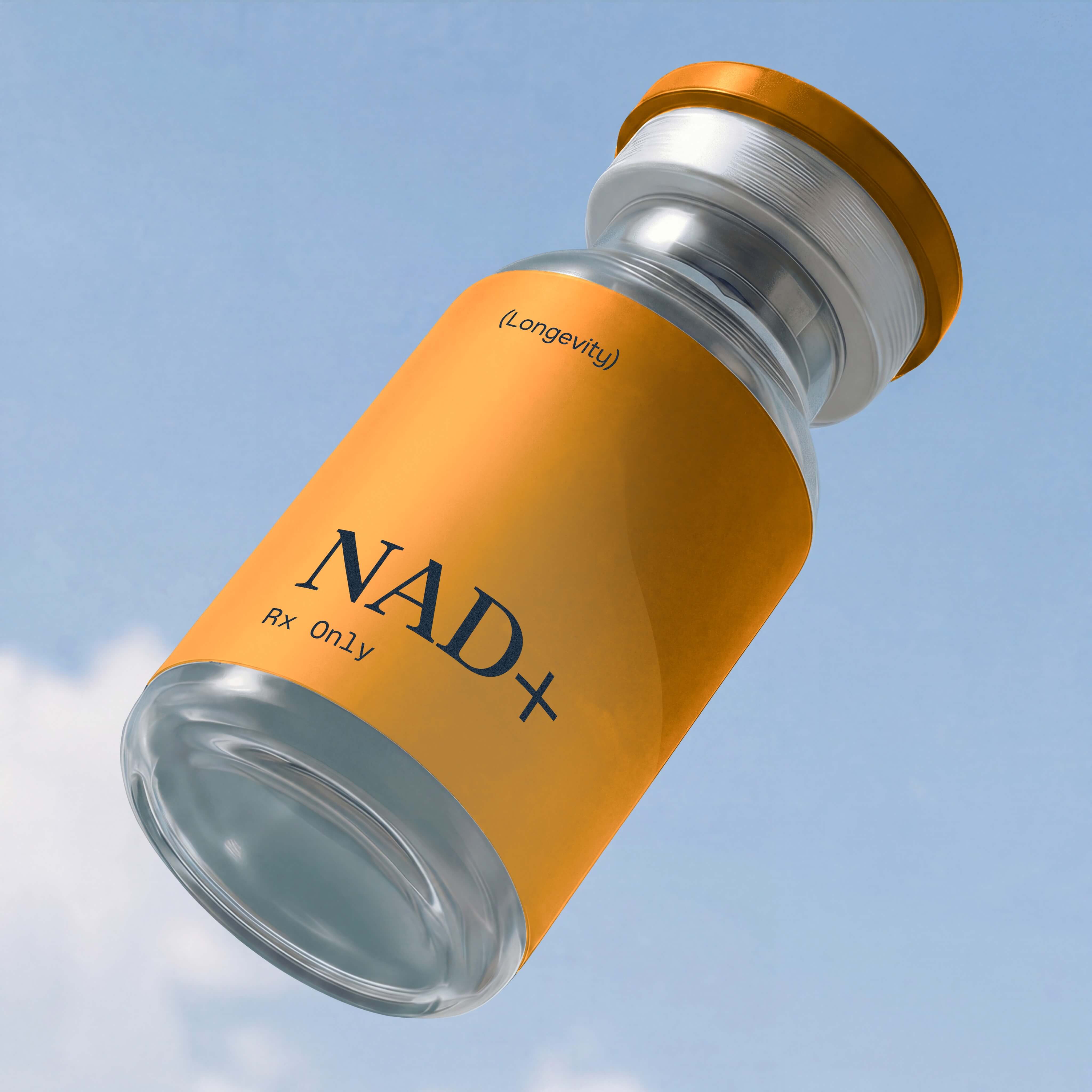
NAD+ vial

NAD+ injections

Subcutaneous shot, self-administered at home

  • FDA statusCompounded, not approved
  • Through ArborFrom $99/mo
  • Time per doseMinutes, at home
  • ScheduleSet by your clinician
  • SettingYour home
  • PricingFrom $99/mo, flat

The verdict: For adults who want ongoing, clinician-guided NAD+ support, the at-home injection wins on time, cost and comfort: minutes instead of hours, one flat monthly price, and none of the in-chair symptoms that slow an infusion. IV therapy suits someone who specifically wants a larger single dose under a nurse's eye.

The short answer

For ongoing, clinician-guided NAD+ support, our clinicians start with the at-home injection. A subcutaneous dose takes minutes, it is priced flat at Arbor from $99 a month, and it comes with a care team you can message between doses. The most common effects are mild redness or soreness where the needle went in.

IV therapy is built for one thing: the largest single dose in one sitting, with a nurse beside you. The trade is time and comfort. In a 2026 clinic study, 500 mg infusions averaged 97 minutes because people slowed the drip when nausea or chest pressure set in, and the 2019 pilot study ran 750 mg over six hours.

Neither form is FDA-approved. Both are compounded, and both belong under a clinician who has reviewed your history.

How each route works

NAD+ (nicotinamide adenine dinucleotide) is a coenzyme your cells use to turn food into usable energy and to run maintenance processes such as DNA repair. Levels are generally described as declining with age, which is the rationale for supplementing it. Arbor's NAD+ explainer covers the molecule itself. This article is only about the two ways a prescribed dose reaches your bloodstream. Both bypass the digestive tract entirely; the difference is what happens after the needle.

IV therapy: into a vein, over hours

In an infusion, NAD+ powder is reconstituted and diluted into a bag of saline, a nurse places a catheter in a vein in your arm, and the solution drips in. Nothing has to be absorbed, so the entire dose enters circulation at whatever rate the drip is set to. In the 2026 clinic study, 500 mg was diluted in 500 mL of saline and clients controlled their own flow rate based on how they felt. It was a retrospective review of six NAD+ clients, and the paper discloses that the researchers were employed by the commercial infusion company whose records they reviewed (Reyna and colleagues, 2026).

Injections: into the fat under the skin, in minutes

A subcutaneous injection places a small volume into the fatty layer of the abdomen or thigh with a short, fine needle. From there it diffuses into the bloodstream over time rather than all at once. Some clinics give NAD+ into muscle instead; Arbor's program uses the subcutaneous route. At Arbor the medication ships to your door and is self-administered on a schedule your clinician sets. We do not publish a dose; the clinician sets it from your history.

What the studies actually show

The human data on either route is small. The most cited pharmacokinetic study infused 750 mg over six hours into eight healthy men aged 30 to 55. Plasma NAD+ did not rise for the first two hours, which the authors read as the body clearing it from the blood as fast as it arrived, and no adverse events were observed. The study was funded in part by an NAD+ research company and conducted at a wellness center that offers IV NAD+, as the authors disclose (Grant and colleagues, 2019).

A 2026 systematic review of 113 studies found no eligible outcome trials of intravenous or intramuscular NAD+ for anti-aging or wellness at all. Oral precursors such as nicotinamide riboside reliably raised blood NAD+ and were well tolerated, but their effects on how people actually function were mixed or null (Gallagher and Emmanuel, 2026). For subcutaneous NAD+ specifically, we could not find a published human trial. That is the honest baseline for both routes: biological activity is clear, clinical benefit is not established, and individual responses vary. A program supports your levels under clinician guidance rather than promising a specific result.

Time: hours in a chair, or minutes at home

Time is the clearest difference between the two routes, and it is not close.

An IV session is measured in hours. The pilot study ran its infusion over six hours, at about 2 mg per minute. In the clinic study, where clients set their own drip speed, the 500 mg NAD+ infusions averaged 97 minutes, and the authors attribute the length to moderate to severe symptoms. That protocol was four infusions on four consecutive days, which the authors describe as the typical commercial loading schedule. With travel and check-in, each dose takes most of a morning or an afternoon.

An injection is measured in minutes. You take it at home, at a time that suits you, on a cadence your clinician sets, and you message your care team if anything feels off. Over a month of ongoing support, the difference between the two routes is the difference between a standing appointment and a routine.

Side by side

Infusion figures from Grant and colleagues, 2019 (750 mg over 6 hours) and Reyna and colleagues, 2026 (500 mg, average 97 minutes, self-paced, four-day loading series). Injection effects from Arbor's published NAD+ explainer. Arbor pricing is the published starting price.
AttributeNAD+ IV therapyNAD+ injections
Time per doseAbout 1.5 to 6 hours in published protocolsA few minutes
WhereClinic chair or mobile nurse visitAt home, at a time that suits you
ScheduleClinic sessions, often a four-day loading seriesA cadence your clinician sets and adjusts over time
Dose per sessionLarger; 500 to 750 mg in studiesSmaller; set by your clinician
During the doseNausea, cramping, faster heart rate, chest pressure reported; drip slowed to manageMild site redness or soreness; some early nausea or headache
NeedleCatheter in a vein for the whole sessionShort, fine needle under the skin
Clinician supportA nurse during the session; between visits varies by clinicPhysician review of every intake, 24/7 licensed clinicians, regular check-ins
PricePriced per session; a series multiplies itFrom $99/mo at Arbor, flat, medication and care included
FDA statusCompounded; not FDA-approvedCompounded; not FDA-approved

Scroll the table sideways to see both columns →

Comfort: what each one feels like

The discomfort reported with IV NAD+ tracks how fast it enters the blood, which is why the drip gets slowed.

In the clinic study, all six people receiving NAD+ IV reported moderate to severe gastrointestinal symptoms, a faster heart rate and chest pressure during the infusion. All of it resolved once the infusion ended, and slowing the drip was how it was managed. The authors suggest these effects may relate to pushing NAD+ outside the cells to far above normal levels, and they note that the slow, prolonged infusions clinics use to limit discomfort have not been formally studied (Reyna and colleagues, 2026).

Any IV line also carries small risks a shot does not, chiefly irritation of the vein (phlebitis) and fluid leaking into the tissue around the catheter (Abolfotouh and colleagues, 2014).

What injections feel like

With a subcutaneous shot, the most common effects are mild redness or soreness at the injection site. Some people notice temporary nausea, headache or fatigue as their body adjusts, as our NAD+ explainer notes. The dose is small and absorbs gradually from the tissue under the skin, so there is no drip to slow and no chair to sit in while it goes in.

Message us instead of guessing

Chest pain that does not ease when an infusion is stopped, trouble breathing, swelling of the face, lips or throat, a widespread rash, or fever with severe chills and shaking after any NAD+ dose means stop and seek emergency care. A sore injection site, mild nausea or a headache is a message to your Arbor clinician.

Cost: per session, or per month

At Arbor, NAD+ injections start from $99 a month, flat, with the physician review, the medication, free shipping, clinician check-ins and 24/7 support inside that price. It is HSA and FSA eligible, there is no membership fee, and you can cancel anytime. If the physician decides it is not appropriate for you, you are not charged.

IV NAD+ is priced per session, and the session is what you are paying for. Nursing time, a catheter, saline and hours of chair time sit inside the price, and a loading series multiplies it. Prices vary by clinic, so ask for the all-in cost of the full series, not the single-session number.

FDA status and pharmacy quality

Both routes use compounded NAD+. FDA has not approved any NAD+ drug product, so injectable and IV NAD+ in the United States is compounded, and FDA does not verify the safety, effectiveness or quality of compounded drugs before they are marketed (FDA compounding Q&A). In a September 2019 proposed rule, FDA proposed not placing NAD on the 503A bulks list for the use it had been nominated for, fatigue in multiple sclerosis (Federal Register, September 5, 2019). As of its May 14, 2026 update, FDA lists NAD in 503A Category 1, bulk drug substances under evaluation (FDA 503A categories).

Quality therefore depends on the pharmacy. In October 2024 FDA warned that some compounders had used food-grade NAD+ to make intravenous products, and that it had received reports of severe chills, shaking, vomiting and fatigue after NAD+ injectables, reactions consistent with excessive endotoxin levels (FDA, 2024). Arbor's NAD+ is compounded by licensed 503A and 503B U.S. pharmacies and dispensed only after a board-certified physician reviews your intake. Whichever route you choose, ask which licensed pharmacy prepares your NAD+.

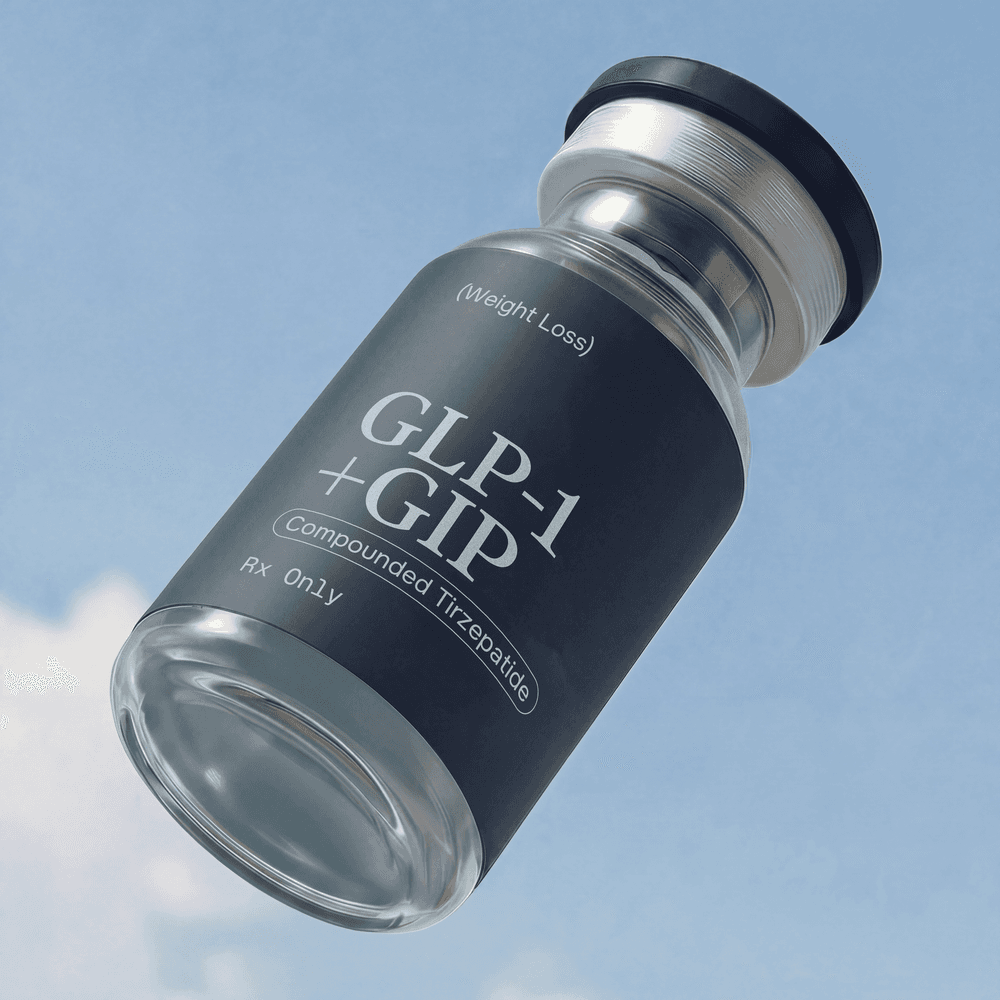
Tirzepatide vial
Weight lossTirzepatide

Dual-action GLP‑1/GIP for faster results

From
$149/mo
Taken
Once-weekly injection
Type
Dual GLP‑1/GIP agonist
Learn more

How Arbor clinicians choose

For adults who want ongoing NAD+ support, our clinicians start with the at-home injection. It fits an ordinary week, it is priced flat, and a care team stays with you between doses. No trial has compared the two routes head to head, so the choice rests on practical fit and your history.

Start with NAD+ injections when

  • You want ongoing, clinician-guided NAD+ support that fits around work and family rather than around a clinic's calendar
  • You want a physician to review your history first, then a care team you can message at any hour
  • Chair time or per-session pricing is the reason you have not started
  • You are comfortable with a small at-home injection and with the fact that it is a compounded medication

IV therapy might suit you when

  • You specifically want a larger single dose under direct nursing observation, and you accept the hours and the price that come with it
  • Injecting yourself at home is not something you are willing to do, and a seated infusion in a clinic is

Either way, a physician should review your full health history first, including pregnancy plans, cancer history and every medication and supplement you take. At Arbor, if it is not the right fit, it is not prescribed. The 90-second eligibility quiz is where that review starts.

Arbor does not offer IV NAD+. If you have been receiving infusions and want to move to at-home injections, tell your Arbor clinician what you received and when, so your schedule is set with that in mind.

This article is for general education and is not medical advice. It is not a substitute for evaluation, diagnosis, or treatment by a licensed clinician. Talk with a qualified clinician about your individual situation.

Arbor is a technology platform. Medical evaluations are conducted by independent, licensed healthcare providers who decide whether treatment is appropriate. Compounded medications are prepared by licensed U.S. pharmacies for individual patients and are not reviewed by the FDA for safety or effectiveness.

Frequently asked questions

Not in any way a trial has measured. A 2026 systematic review found no outcome trials of intravenous or intramuscular NAD+, and no study has compared IV with a subcutaneous injection. IV delivers a larger dose in one sitting. For ongoing support that fits a normal week, our clinicians start with injections: minutes at home, from $99 a month at Arbor.

Longer than most people expect. The pilot pharmacokinetic study infused 750 mg over six hours. In a 2026 clinic study where clients set their own drip speed, 500 mg infusions averaged 97 minutes, and symptoms were the reason they ran long. That clinic gave four sessions on consecutive days, so plan on hours per session plus travel.

The authors of a 2026 clinic study suggest it may relate to infusion pushing NAD+ outside the cells to far above normal levels. In that study, gastrointestinal symptoms, a faster heart rate and chest pressure resolved when the infusion ended, and slowing the drip was how they were managed. Chest pain that does not ease when the drip stops is an emergency.

No, and neither is IV NAD+. FDA has not approved any NAD+ drug product, so both are compounded, and FDA does not verify compounded drugs for safety or effectiveness. In 2019 FDA proposed not adding NAD to the 503A bulks list for fatigue in multiple sclerosis, and its May 2026 update lists NAD in Category 1, under evaluation.

No route has been shown more effective than another in a trial. A 2026 systematic review of 113 studies found that oral precursors such as nicotinamide riboside reliably raise blood NAD+, that no outcome trials of IV or intramuscular NAD+ exist, and that benefits for how people function remain unproven for every route. IV delivers the most per session; injections deliver it at home.

Sources

  1. Grant R, Berg J, Mestayer R, et al. A pilot study investigating changes in the human plasma and urine NAD+ metabolome during a 6 hour intravenous infusion of NAD+. Front Aging Neurosci. 2019;11:257.
  2. Reyna K, Heinzen G, Patel N, et al. Intravenous infusion of nicotinamide adenine dinucleotide (NAD+) versus nicotinamide riboside (NR): a retrospective tolerability pilot study in a real-world setting. Front Aging. 2026;7:1652582.
  3. Gallagher C, Emmanuel OO. NAD+ supplementation for anti-aging and wellness: a PRISMA-guided systematic review of preclinical and clinical evidence. Ageing Res Rev. 2026;116:103057.
  4. U.S. Food and Drug Administration. FDA reminds compounders to use ingredients suitable for sterile compounding. October 30, 2024.
  5. U.S. Food and Drug Administration. Bulk drug substances nominated for use in compounding under section 503A of the Federal Food, Drug, and Cosmetic Act (categories 1, 2 and 3). Updated May 14, 2026.
  6. U.S. Food and Drug Administration. Amendments to the list of bulk drug substances that can be used to compound drug products in accordance with section 503A. Proposed rule. Federal Register, September 5, 2019.
  7. U.S. Food and Drug Administration. Compounding and the FDA: questions and answers.
  8. Abolfotouh MA, Salam M, Bani-Mustafa A, White D, Balkhy HH. Prospective study of incidence and predictors of peripheral intravenous catheter-induced complications. Ther Clin Risk Manag. 2014;10:993-1001.