
Start for $99No results? No chargeSame-day approvalNo price increases — everBuy now, pay later

Glutathione Injections vs IV Glutathione Drips: Same Antioxidant, Very Different Routine

Both deliver the same molecule. Glutathione injections are a small dose at home on a schedule your clinician sets; an IV drip is a clinic appointment with a needle in a vein. Here is the honest comparison.

Clinically reviewed
Medically reviewed by Arbor Health TeamMedical Content Team11 min read

At a glance

Blood levels from a 10-volunteer IV study; safety from FDA and CDC reports

IV glutathione drips

Clinic infusion, priced per session

14Key numbermin (plasma half-life after an IV dose)

  • WhereClinic or IV lounge
  • Dose deliveryAll at once, into a vein
  • SchedulePer visit, sold as a series
  • PricingPer session, varies by clinic
  • Physician reviewVaries by clinic
Offered by Arbor
Glutathione vial

Glutathione injections

Compounded, subcutaneous, at home

  • WhereYour home
  • Dose deliverySmall injection under the skin
  • ScheduleSet by your clinician
  • Pricing$89 a month at Arbor, flat
  • Physician reviewEvery intake

The verdict: Glutathione injections are a routine you keep at home, with a physician reviewing every intake, clinicians on call 24/7 and one flat $89 a month through Arbor. An IV drip delivers the whole dose at once, but the extra glutathione clears from plasma within the hour and every session is another clinic visit. Both are compounded, and neither is FDA-approved.

The short answer

If you want glutathione as an ongoing routine, at-home injections are the more practical route, and they are the one Arbor offers. A small subcutaneous injection on a schedule your clinician sets, a board-certified physician reviewing your intake first, licensed clinicians you can message 24/7, and one flat price of $89 a month. Like every glutathione product in the United States, it is compounded and not FDA-approved, and we offer it as support under clinician guidance rather than a treatment that promises a result.

An IV drip does one thing an injection cannot: it puts the whole dose into your blood at once. The trade is a clinic chair, a fee for every session, and extra glutathione that is largely cleared from plasma within the hour.

The molecule is the same. What differs is the routine, the cost structure and the care around each dose.

The same antioxidant, two routes into the blood

Glutathione is a three amino acid peptide built from glutamate, cysteine and glycine, made in every cell, and the most abundant antioxidant the body produces (Richie et al., 2015). Whether it arrives through a drip or a syringe, the drug is the same reduced glutathione prepared by a compounding pharmacy. There are no FDA-approved glutathione products in the United States (CDC, 2026). We cover what the molecule does in our glutathione explainer; this article is about how the two routes differ.

What an IV dose does in plasma

The clearest human data come from a pharmacokinetic study in 10 healthy volunteers. After an intravenous dose of 2 grams per square meter of body surface, total glutathione in plasma rose from about 17.5 to 823 micromoles per liter. The elimination half-life was 14.1 minutes, plasma cysteine rose from 8.9 to 114 micromoles per liter, and urinary excretion of glutathione increased 300-fold in the 90 minutes after the infusion (Aebi et al., 1991). An IV drip gives immediate, complete availability in the blood. The blood then clears it quickly, partly into the urine and, the authors suggest, partly as cysteine taken up by cells.

That short half-life is worth weighing against the cost of a session. The peak is real. It is also brief.

What a subcutaneous injection does

A subcutaneous injection places the dose in the fat under the skin, where it is absorbed into the bloodstream gradually rather than all at once. We have not found a published pharmacokinetic study of subcutaneous glutathione in healthy adults, so we do not quote an absorption percentage. What is clear is that the dose reaches the blood without a vein, in a smaller amount per dose, on a repeating schedule your clinician controls.

Where pills fit

Oral glutathione is the route most people try first. In 7 healthy volunteers, a single oral dose of about 3 grams did not significantly raise plasma glutathione over the next 270 minutes, because enzymes in the gut and liver break it down (Witschi et al., 1992). Daily dosing is different: in a six-month randomized trial of 54 adults, 1,000 mg a day raised glutathione in red cells, plasma and lymphocytes by 30 to 35 percent, and levels returned to baseline within a month of stopping (Richie et al., 2015). Injections are the route that skips digestion, not the only route that moves levels.

The routine: a clinic chair or your kitchen counter

This is the part of the comparison that decides it for most people, because it is the part you live with.

An IV course

An IV drip is an appointment. You book it, travel to it, and sit for the infusion plus a short observation period. Each visit means a peripheral IV placed in a vein, a skilled procedure with its own minor risks such as bruising and vein irritation. Clinics usually sell glutathione as a series of sessions, often weekly at first, then spaced out, and the protocol is the clinic's own. There is no FDA label for glutathione, so there is no standard IV dose or schedule to point to.

If you like the structure of an appointment and a professional handling the needle, that is a genuine point in favor of the IV route.

An at-home injection

Arbor's glutathione program works the way our other longevity programs do. A board-certified physician reviews your intake. If it is appropriate, the medication ships free to your door and you self-administer a small subcutaneous injection at home on the schedule your clinician sets (how a glutathione program works). Check-ins let your clinician review and adjust the plan over time, and refills are scheduled to arrive before you run out. Once it is familiar, a dose takes a few minutes and fits around your morning rather than a clinic's hours.

What the routine costs

IV clinics price per session and publish their own rates, which vary widely by city and by what else is in the bag, so we will not quote a number we cannot source. The structure is the point: a course is several sessions, so the monthly figure is several session fees plus the time to get there. Over-the-counter capsules are the cheapest to buy and the least likely to change your blood levels per dose.

Arbor's glutathione program is $89 a month, flat. That covers the medication, physician review, clinician check-ins and 24/7 access to a licensed clinician, with no insurance required and no increase as your dose changes. It is HSA and FSA eligible, you can cancel anytime, and if the physician decides it is not appropriate, you are not charged. Compounded medications cost less than brand products for reasons we explain in our guide to compounded medications.

Side by side

Plasma figures from Aebi et al., 1991 (10 healthy volunteers). FDA status from CDC and FDA, 2026. Arbor program details and price from startarbor.com; clinic drip pricing and services vary and are not quoted.
AttributeIV glutathione dripsGlutathione injections
Where it happensClinic or IV lounge, by appointmentAt home, on your schedule
Physician reviewVaries by clinicA board-certified physician reviews every intake
NeedleIV catheter placed in a vein each visitShort, fine needle in the fat under the skin
Dose deliveryWhole dose in plasma at once, half-life about 14 minutesGradual absorption from under the skin
Ongoing careClinic staff at each visit; access between visits variesLicensed clinicians 24/7, plus scheduled check-ins
Dose and scheduleClinic protocol, booked visit by visitSet and adjusted by your clinician, refills arrive on time
PricingPer session, varies by clinic$89 a month at Arbor, flat
FDA status and evidenceCompounded, not FDA-approved; limited evidence in healthy adultsCompounded, not FDA-approved; limited evidence in healthy adults

Scroll the table sideways to see both columns →

What the evidence does and does not show

Glutathione is promoted for skin brightening, immune support, detoxification and energy, which is how the CDC describes the market in its 2026 investigation notice (CDC, 2026). None of those uses has an FDA approval behind it, and the trial evidence is thin on every route.

Skin is the most studied use and the one we are asked about most. A 2025 systematic review in the International Journal of Dermatology found five randomized trials and one open-label study of oral glutathione, but only one placebo-controlled study of the IV route, and concluded that IV glutathione is contraindicated for skin lightening because of lack of efficacy and side effects (Sarkar et al., 2025). Arbor does not prescribe glutathione for skin lightening, and we make no skin, detox or anti-aging promises for it.

What is established is the biology: glutathione is the body's primary intracellular antioxidant, it is depleted by age, illness and oxidative stress, and the IV and oral routes measurably change blood levels in the studies above. Whether raising those levels improves how a healthy adult feels or ages has not been shown in a controlled trial. A program supports your levels under clinician guidance rather than promising a specific result, and individual responses vary.

Side effects and safety

Glutathione itself is generally well tolerated by either route. The most common effects are mild injection-site reactions such as redness or soreness; stomach upset is uncommon and allergic reactions are rare. An IV adds the small risks of the catheter: bruising, vein irritation and, rarely, infection at the site.

The endotoxin reports, and why they matter for both routes

The serious safety events on record are not about the molecule. They are about what it was made from. In February 2019, FDA warned compounders not to use a glutathione powder labeled as a dietary supplement after seven patients at one outpatient clinic received 1,400 mg by IV. Within minutes they developed symptoms including nausea, vomiting, chills, body aches and lightheadedness, and one, with low blood pressure and difficulty breathing, was transferred to a hospital. FDA's own testing found bacterial endotoxin in the powder at up to five times the appropriate limit (FDA, 2019).

It happened again in 2026. On August 27, FDA reported at least 30 patients with fever, chills, pain, dizziness, signs of shock and sepsis-like symptoms, some hospitalized, after IV glutathione made by several compounding pharmacies from one dietary supplement grade lot (FDA, 2026). The CDC's investigation, updated September 11, 2026, counts more than 25 people in at least four states (Texas, Washington, Florida and New York) who received glutathione by IV, under the skin or into a muscle. At least three were hospitalized, all after IV doses, and one became critically ill and needed intensive care. At least three Texas pharmacies have recalled compounded glutathione for high endotoxin levels (CDC, 2026).

Two lessons. First, endotoxin exposure rises with the amount of product infused, which is why FDA sets the safe limit from the maximum IV dose, and in the CDC's count every hospitalization followed an IV dose. Second, the subcutaneous route is not exempt: any injectable glutathione, including Arbor's, is only as safe as the pharmacy that made it. Compounded drugs are not FDA-approved, which means FDA does not verify their safety, effectiveness or quality before they are marketed (FDA compounding Q&A). The CDC advises patients to ask who compounded an injectable glutathione and whether it was made with ingredients intended for injection. Ask any provider that, us included. Arbor's medications are compounded by licensed 503A and 503B U.S. pharmacies, and we expect the question.

Message us instead of guessing

Trouble breathing, fainting, swelling of the face or throat, or signs of shock after any glutathione dose means emergency care now; tell them what you received. Fever, chills, severe body aches, vomiting or dizziness in the hours after a dose, or an injection site that grows more painful, swollen or red, means message your Arbor clinician the same day. Mild soreness or redness that fades is common and a routine message.

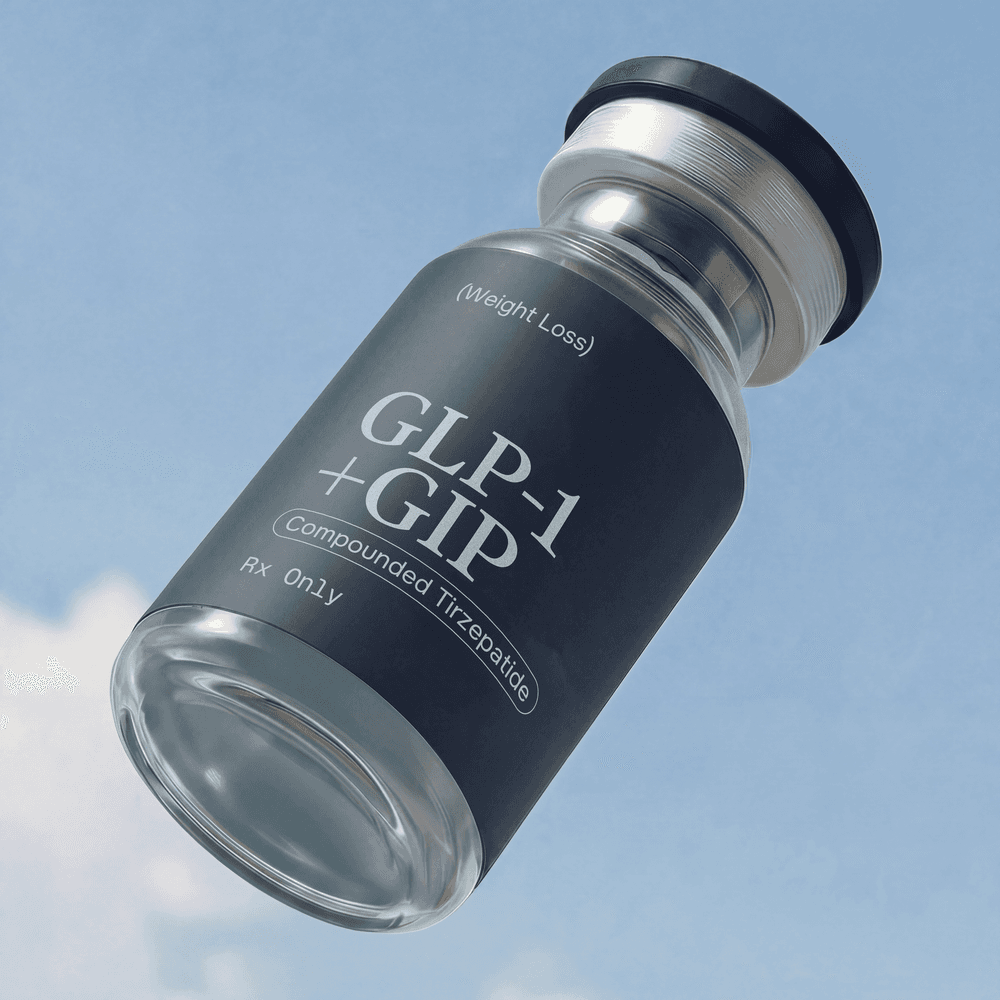
Tirzepatide vial
Weight lossTirzepatide

Dual-action GLP‑1/GIP for faster results

From
$149/mo
Taken
Once-weekly injection
Type
Dual GLP‑1/GIP agonist
Learn more

How Arbor clinicians choose a route

Arbor offers glutathione as an at-home injection program, built for people who want a steady routine with a physician behind it. Here is how our clinicians think about the choice.

Start with glutathione injections when

  • You want a steady, repeatable routine at home, without appointments or a needle in a vein
  • You want a board-certified physician to review your full history first, and a licensed clinician you can message 24/7 once you start
  • You would rather pay one flat $89 a month, with refills arriving before you run out, than a fee for every session
  • You want clinician-guided antioxidant support with expectations set plainly, not a promised skin, detox or anti-aging result

An IV drip might suit you when

  • You want a single large dose in your blood on a specific day and prefer a professional to handle the needle
  • You have confirmed the clinic's pharmacy uses glutathione made for injection, not a dietary supplement ingredient

A physician reviews your goals and full health history before deciding whether a glutathione program is appropriate. If it is not the right fit, it is not prescribed. The 90-second quiz is where that review starts.

Our program is built for a routine, not a single session. If a one-time infusion before an event is what you want, your clinician will tell you plainly that a program is not the right tool.

This article is for general education and is not medical advice. It is not a substitute for evaluation, diagnosis, or treatment by a licensed clinician. Talk with a qualified clinician about your individual situation.

Arbor is a technology platform. Medical evaluations are conducted by independent, licensed healthcare providers who decide whether treatment is appropriate. Compounded medications are prepared by licensed U.S. pharmacies for individual patients and are not reviewed by the FDA for safety or effectiveness.

Frequently asked questions

Better at one thing: getting the whole dose into plasma immediately. In the 1991 Aebi study, IV glutathione raised plasma levels about 47-fold, then cleared with a 14-minute half-life. A subcutaneous injection is slower and smaller per dose, but it is a routine you keep at home with a clinician adjusting the plan. Neither route has shown a better outcome in healthy adults, so the real difference is the routine.

Effective at raising glutathione in the blood for a period after each dose. Effective at improving how a healthy adult feels or ages has not been shown in a controlled trial for IV or subcutaneous glutathione. Arbor offers glutathione injections as clinician-guided antioxidant support, not as a treatment with a promised result, and individual responses vary.

They do different jobs. Glutathione is the body's primary antioxidant, neutralizing oxidative stress inside cells. NAD+ is a coenzyme cells use to make energy and run repair, and it declines with age. Arbor offers both as compounded subcutaneous programs, glutathione from $89 a month and NAD+ from $99 a month, and a physician decides whether either fits.

A single oral dose does very little: in 7 healthy volunteers, about 3 grams by mouth did not significantly raise plasma glutathione. Taken daily for six months, 1,000 mg raised glutathione in red cells, plasma and lymphocytes by 30 to 35 percent in a 54-person randomized trial, and levels fell back within a month of stopping. Pills can move levels, slowly, if you take them every day.

Arbor does not prescribe glutathione for skin lightening, and the evidence does not support the IV route for it. A 2025 systematic review in the International Journal of Dermatology found only one placebo-controlled IV study and concluded IV glutathione is contraindicated for that use, citing lack of efficacy and side effects. Be cautious of any clinic that promises a skin result.

Three routes are used: intravenous, where the dose goes into a vein over an infusion; intramuscular, into a muscle; and subcutaneous, into the fat under the skin. Arbor's glutathione is a subcutaneous injection you give yourself at home on a schedule your clinician sets. All three are compounded preparations, and none is FDA-approved.

Sources

  1. Aebi S, Assereto R, Lauterburg BH. High-dose intravenous glutathione in man. Pharmacokinetics and effects on cyst(e)ine in plasma and urine. Eur J Clin Invest. 1991;21(1):103-10.
  2. Witschi A, Reddy S, Stofer B, Lauterburg BH. The systemic availability of oral glutathione. Eur J Clin Pharmacol. 1992;43(6):667-9.
  3. Richie JP Jr, Nichenametla S, Neidig W, et al. Randomized controlled trial of oral glutathione supplementation on body stores of glutathione. Eur J Nutr. 2015;54(2):251-63.
  4. U.S. Food and Drug Administration. FDA highlights concerns with using dietary ingredient glutathione to compound sterile injectables. 2019.
  5. U.S. Food and Drug Administration. FDA reminds compounders not to use dietary supplement grade glutathione for injectables. August 27, 2026.
  6. Centers for Disease Control and Prevention. Adverse events linked to injectable glutathione compounded with dietary supplement grade ingredient: current situation. Updated September 11, 2026.
  7. Sarkar R, Yadav V, Yadav T, et al. Glutathione as a skin-lightening agent and in melasma: a systematic review. Int J Dermatol. 2025;64(6):992-1004.
  8. U.S. Food and Drug Administration. Compounding and the FDA: questions and answers.