




Start for $99No results? No chargeSame-day approvalNo price increases — everBuy now, pay later

Phentermine vs Ozempic: A Stimulant Pill vs a GLP-1 for Weight Loss

One is a decades-old stimulant pill meant for a few weeks. The other is a weekly GLP-1 built for long-term treatment. Here is how they compare on results, safety, duration and cost.

Clinically reviewed
Medically reviewed by Arbor Health TeamMedical Content Team7 min read

At a glance

FDA labels and published trials, not a head-to-head comparison

Phentermine

Stimulant tablet, short-term use

−7.4%Key numberMean weight change, 28 weeks

  • FDA-approved forWeight loss, a few weeks
  • Controlled substanceSchedule IV
  • How it is takenDaily tablet
  • Through ArborNot an Arbor program
More weight lost
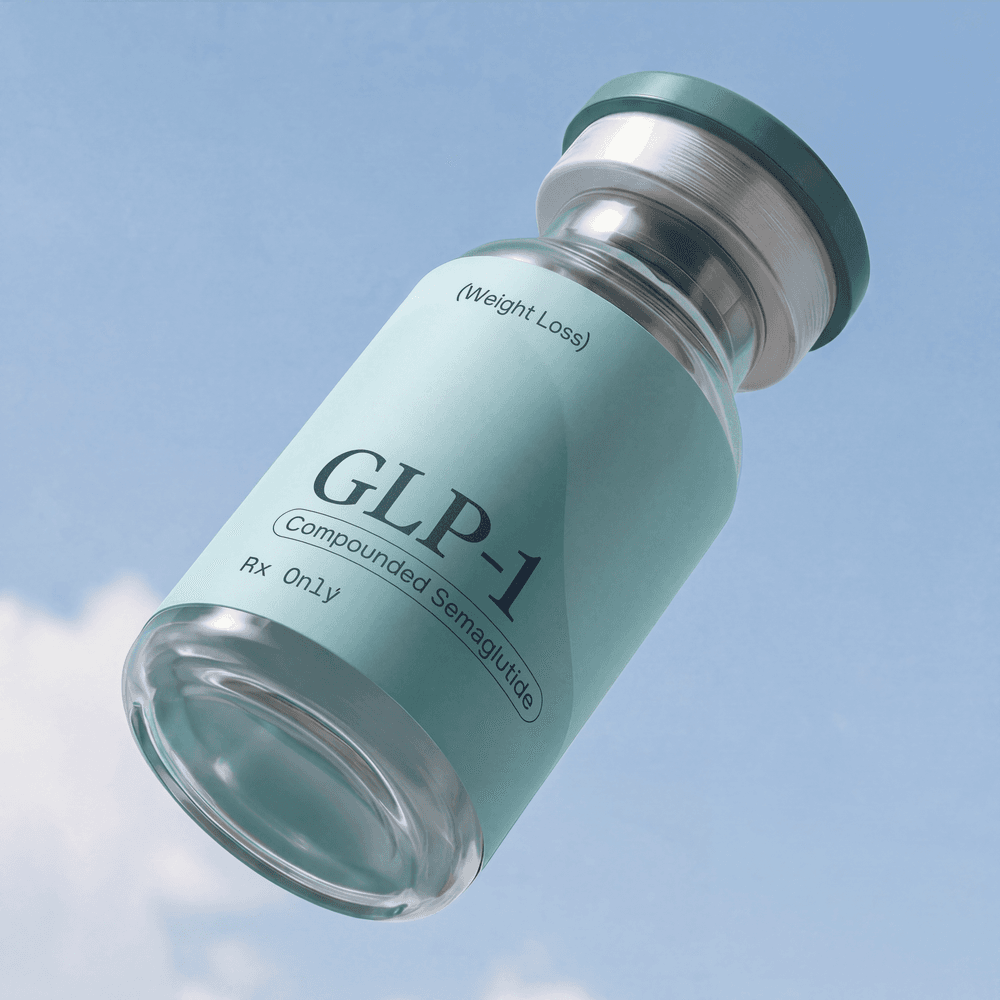
Compounded semaglutide vial

Semaglutide

GLP-1, sold as Ozempic and Wegovy

  • FDA-approved forLong-term weight (Wegovy)
  • Controlled substanceNo
  • How it is takenWeekly shot or daily pill
  • Through ArborFrom $99 /mo, compounded

The verdict: Semaglutide produced roughly twice the average weight loss in its trials and is approved for long-term use. Phentermine is a low-cost stimulant approved for a few weeks at a time, with stricter heart and abuse precautions. Arbor prescribes compounded semaglutide, which is not FDA-approved.

Phentermine vs Ozempic verdict

Ozempic vs phentermine is less a contest than a mismatch of purpose. Phentermine is a stimulant approved as a short-term add-on to a weight-loss plan.

Semaglutide, the drug in Ozempic, is a GLP-1 receptor agonist whose weight-management version, Wegovy, is approved for long-term use. In trials, semaglutide comes out well ahead: 14.9% average weight loss at 68 weeks on Wegovy 2.4 mg, against 7.4% at 28 weeks on phentermine 15 mg in a separate trial. Price, a pill instead of a shot and a track record back to 1959 favor phentermine.

One naming point matters. Ozempic is FDA-approved for type 2 diabetes, not for weight loss. Wegovy is the approved semaglutide product for weight loss.

Phentermine vs semaglutide side by side

Phentermine vs semaglutide is also a comparison of two eras of obesity medicine. Phentermine for weight loss dates to 1959, before regulators required long-term trials, while semaglutide arrived with trials that followed thousands of people for more than a year. Searches for phentermine vs GLP 1 drugs come down to four questions.

How each drug curbs appetite

Chemically, phentermine is related to amphetamine and acts on the central nervous system. MedlinePlus calls it an appetite suppressant, though its FDA label notes that appetite suppression has not been proven to be its main action and other nervous system or metabolic effects may contribute. Tolerance to the appetite effect usually builds within a few weeks.

Semaglutide copies GLP-1, a hormone your gut releases after a meal, acting on brain areas that regulate appetite and calorie intake and slowing how fast your stomach empties. Our guide to how semaglutide works for weight loss explains the mechanism.

Weight loss results

No trial has compared the two directly, so these are separate placebo-controlled studies. In a 28-week trial summarized in the ADA's 2026 Standards of Care, adults lost 7.4% of body weight on phentermine 15 mg and 6.6% on 7.5 mg, against 2.3% on placebo (ADA Standards of Care, Section 8). A 2025 trial in people who had not responded to diet counseling found 5.9% on 15 mg against 2.8% over 24 weeks.

In STEP 1, adults without diabetes on Wegovy 2.4 mg lost 14.9% of body weight over 68 weeks, against 2.4% on placebo (Wegovy prescribing information). Even the phentermine label is candid: its extra loss over placebo in short trials was a fraction of a pound a week.

How long you can take each

This is the sharpest difference. On its label, phentermine is a short-term adjunct, and MedlinePlus says most people take it for 3 to 6 weeks. Wegovy is approved to reduce weight and keep it off. The ADA recommends staying on long-term obesity medicines after you reach a goal, because stopping often brings the weight back.

Some prescribers use phentermine longer, off label. A large 2019 health-records study found people who stayed on it for more than a year lost more weight, with no clear rise in heart events, but it was observational. The first long-term randomized trial is still running (ClinicalTrials.gov).

Price & access

Generic phentermine costs little: the ADA's 2026 tables put pharmacy acquisition cost for a month of the 37.5 mg dose at about $2, though the counter price depends on your pharmacy. As a Schedule IV controlled substance under federal law, it is more tightly regulated than most prescriptions (DEA).

Brand semaglutide costs far more. The same ADA tables list Wegovy at $1,619 wholesale for 30 days, and a federal program announced in February 2026 lists Ozempic and injectable Wegovy at an average of $350 a month, depending on dose. Arbor's compounded semaglutide starts at $99 a month, prepared by a licensed U.S. pharmacy, and is not FDA-approved.

From FDA labels, the ADA Standards of Care 2026 and the trials named, not a head-to-head comparison. Phentermine cost is pharmacy acquisition cost from the ADA tables, not a retail price. Arbor's semaglutide is compounded and not FDA-approved.
AttributePhentermineSemaglutide
Drug classSympathomimetic amine, a stimulantGLP-1 receptor agonist
FDA-approved useShort-term weight loss, a few weeksType 2 diabetes (Ozempic); long-term weight management (Wegovy) Long-term use
Average weight loss in trials7.4% at 28 weeks on 15 mg, vs 2.3% placebo14.9% at 68 weeks on Wegovy 2.4 mg, vs 2.4% placebo Larger
How you take itTablet once a day, or 8 mg three times a dayWeekly injection; Wegovy also as a daily tablet
Controlled substanceSchedule IVNo Not controlled
Key warningsNot for heart disease, uncontrolled blood pressure, hyperthyroidism, glaucoma or a history of drug abuseBoxed warning for thyroid C-cell tumors seen in rodents
Common side effectsDry mouth, insomnia, restlessness, faster heart rateNausea, diarrhea, vomiting, constipation
CostAbout $2 a month in pharmacy acquisition cost Lowest costBrand list price above $1,000 a month; compounded through Arbor from $99 /mo

Scroll the table sideways to see both columns →

Who should choose phentermine or semaglutide

Semaglutide vs phentermine is a decision for a licensed clinician who knows your heart health, blood pressure and history. Each label sets out who should not take the drug, and those lists rule many people out before results enter the picture.

Phentermine may be considered when:

  • You need a short, low-cost start alongside diet and exercise changes
  • Your BMI is 30 or more, or 27 or more with a condition such as controlled high blood pressure or diabetes
  • You have no heart disease, uncontrolled blood pressure, hyperthyroidism, glaucoma or history of drug misuse, and you are not pregnant

Semaglutide may be considered when:

  • You want a medication approved for long-term weight management
  • You have type 2 diabetes, where the ADA prefers semaglutide or tirzepatide for people with overweight or obesity
  • A stimulant is not a safe option because of your heart, blood pressure or a history of agitation

Side effects differ in kind. For phentermine, the label lists dry mouth, insomnia, restlessness, palpitations and raised blood pressure, and you should not take it late in the day. On Wegovy 2.4 mg, nausea affected 44% of adults against 16% on placebo, diarrhea 30% and vomiting 24%, mostly while the dose was rising, and resting heart rate rose 1 to 4 beats per minute on average.

Arbor's weight-loss programs use compounded semaglutide injections and compounded tirzepatide. A board-certified physician reviews your intake, and if it is not the right fit, it is not prescribed.

On phentermine, new shortness of breath, chest pain, fainting or swelling in the legs needs urgent care, since the label links these to rare lung and heart valve problems. On semaglutide, severe stomach pain that will not go away, with or without vomiting, needs urgent care. For anything else, message your Arbor clinician.

Tirzepatide vial
Weight lossTirzepatide

Dual-action GLP‑1/GIP for faster results

From
$149/mo
Taken
Once-weekly injection
Type
Dual GLP‑1/GIP agonist
Learn more

Bottom line on phentermine vs Ozempic

In the GLP 1 vs phentermine question, semaglutide has the larger effect, the long-term approval and no stimulant risks. Phentermine has the low price and the pill. The ADA's 2026 guidance groups phentermine with the older short-term drugs and names semaglutide and tirzepatide as preferred for people with diabetes and obesity.

For how this class of medicine works, see the science of GLP-1s.

This article is for general education and is not medical advice. It is not a substitute for evaluation, diagnosis, or treatment by a licensed clinician. Talk with a qualified clinician about your individual situation.

Arbor is a technology platform. Medical evaluations are conducted by independent, licensed healthcare providers who decide whether treatment is appropriate. Compounded medications are prepared by licensed U.S. pharmacies for individual patients and are not reviewed by the FDA for safety or effectiveness.

Frequently asked questions

The short answer to "can you take Ozempic and phentermine together" is only if a prescriber decides it is appropriate. Phentermine's label does not recommend combining it with other weight-loss drugs, because the safety and effectiveness of combinations have not been established. No randomized trial has tested phentermine and Ozempic together, and the one small trial of a similar pairing, phentermine added to liraglutide, a related GLP-1, found no meaningful extra weight loss over 12 weeks.

Phentermine works faster at the start, since its label says weight loss is fastest in the first weeks, and the drug is meant for a few weeks only. Semaglutide builds over about 16 weeks to the full Wegovy dose, with its largest losses after a year or more.

Yes. The phentermine vs Ozempic choice is not permanent, and clinicians do make the switch, but neither label sets out a switching protocol, so your prescriber decides the timing. Stopping suddenly after long, high-dose use can cause marked tiredness and low mood, according to phentermine's label, so do not stop on your own.

Sources

  1. DailyMed. Phentermine hydrochloride tablets, prescribing information (2025).
  2. MedlinePlus. Phentermine. National Library of Medicine (revised December 2024).
  3. U.S. Drug Enforcement Administration. Controlled substances, alphabetical order (2026).
  4. Tronieri JS, et al. Anti-obesity medication for weight loss in early nonresponders to behavioral treatment: a randomized controlled trial. Nat Med. 2025;31:1653-1660.
  5. Lewis KH, et al. Safety and Effectiveness of Longer-Term Phentermine Use: Clinical Outcomes from an Electronic Health Record Cohort. Obesity (Silver Spring). 2019;27:591-602.
  6. ClinicalTrials.gov. LEAP: long-term phentermine randomized trial (NCT05176626).
  7. Tronieri JS, et al. Effects of liraglutide plus phentermine in adults with obesity following 1year of treatment by liraglutide alone: A randomized placebo-controlled pilot trial. Metabolism. 2019;96:83-91.
  8. DailyMed. Ozempic (semaglutide) injection, prescribing information (June 2026).
  9. DailyMed. Wegovy (semaglutide) injection and tablets, prescribing information (June 2026).
  10. American Diabetes Association. 8. Obesity and Weight Management: Standards of Care in Diabetes 2026. Diabetes Care. 2026;49(Suppl 1).
  11. The White House. Fact sheet: TrumpRx.gov launch and lower drug prices (February 2026).