
Start for $99No results? No chargeSame-day approvalNo price increases — everBuy now, pay later

How to Inject Semaglutide at Home: Injection Sites, Steps & Rotation

A once-weekly semaglutide injection goes under the skin of your stomach, thigh or upper arm, once a week on the same day. Here is how to inject semaglutide from a compounded vial the way FDA and NIH guidance describe it, with your dose always set by your clinician.

Clinically reviewed
Medically reviewed by Arbor Health TeamMedical Content Team6 min read

What you’ll need

Most of it arrives in your Arbor box
  • Your semaglutide vialCheck the name, concentration and expiry date
  • Your written doseIn mg, plus the units your clinician wrote
  • A new syringeThe size your pharmacy sent, used once
  • Alcohol padsOne for the vial top, one for your skin
  • Clean gauzeFor light pressure afterward, not rubbing
  • A sharps containerFor the needle and syringe right after use

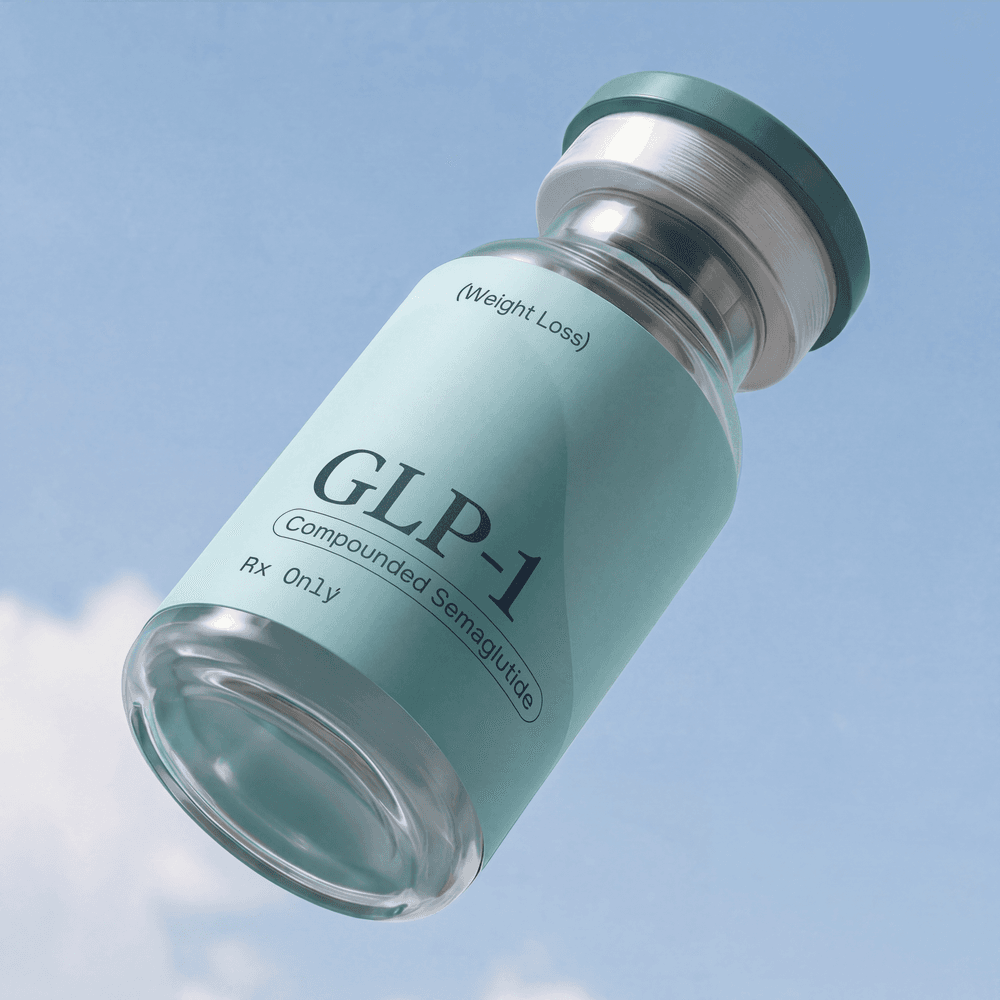
One vial, one weekly semaglutide injection, one new syringe each time. Arbor's compounded semaglutide injections ship as a semaglutide vial that you draw from with a syringe, not a prefilled pen. Compounded semaglutide is not FDA-approved. New to treatment? Read what to expect starting semaglutide before your first dose.

Semaglutide injection steps

This is how to inject semaglutide from a vial. The steps follow the MedlinePlus semaglutide injection information and MedlinePlus's general instructions for drawing from a vial and giving a subcutaneous injection. Your clinician or pharmacist should also show you, and their instructions come first.

Learning how to do semaglutide injection safely is mostly about measuring. The FDA has received reports of people drawing five to 20 times their intended dose from compounded semaglutide vials after mixing up milliliters, milligrams and units.

  1. Step 1: Wash your hands & set up

    Work at a clean, well-lit surface. Wash with soap and running water, including between your fingers and the backs of your hands, and dry with a clean paper towel. Lay everything out first so nothing has to be fetched mid-injection.

  2. Step 2: Check your dose in units

    Your prescription is written in milligrams, and your syringe is marked in units. On a U-100 syringe, 100 units equals 1 milliliter, so units measure volume, not how much semaglutide you get. The link between them is the concentration printed on your vial in mg/mL: units to draw = (dose in mg / concentration in mg/mL) x 100. So your semaglutide dosage in units depends on your vial. Run the formula against your label and make sure it matches the number your clinician wrote.

    If the numbers do not agree, stop and message your care team. Never estimate.

  3. Step 3: Draw semaglutide from the vial

    Check that the liquid is clear and colorless. Wipe the rubber top with an alcohol pad and let it dry. Pull the plunger back to fill the syringe with air up to your unit line, push the needle through the rubber top and inject that air into the vial. Turn the vial upside down, keep the needle tip in the liquid, and pull the plunger slowly back to your line. Tap bubbles to the top, push them back into the vial, and recheck your line.

    Air pushed in first keeps a vacuum from forming, which makes the draw easier to control.

  4. Step 4: Clean the injection site

    Choose your spot (the next section covers where and how to rotate). Wipe it with an alcohol pad, starting where the needle will go and moving outward in a circle, then let it air dry.

  5. Step 5: Pinch the skin & inject

    Pinch about an inch of skin and fat between your fingers, not the muscle. Insert the needle all the way in at a 90-degree angle, or 45 degrees if there is very little fat, then let go of the skin and push the plunger down steadily until it stops. Pull the needle straight out.

    Your clinician can tell you whether to pinch with the syringe you were sent.

  6. Step 6: Dispose of the needle safely

    Do not recap the needle. Drop the needle and syringe straight into your sharps container. If you see a little blood, press gauze on the site for a few seconds without rubbing, then note the date, dose and site.

Semaglutide injection sites & rotation

You have three choices of where to inject semaglutide: stomach, thigh or upper arm. The FDA label for Wegovy, a brand-name semaglutide, lists the same three, and notes that similar exposure to semaglutide was achieved in the abdomen, thigh or upper arm. You can choose by comfort.

MedlinePlus maps the injection sites for semaglutide and similar medicines:

  • Stomach: below your ribs and above your hip bones, at least 2 inches from your belly button.
  • Thigh: the front or outer side of the upper thigh. This is the most common semaglutide thigh injection site for people who inject on their own.
  • Upper arm: the side or back, at least 3 inches below the shoulder and 3 inches above the elbow. The back of the arm is easier to reach for another person.

With all three semaglutide injection sites on the table, rotation matters more than the choice. The Wegovy instructions say you may use the same body area each week but not the same spot, and MedlinePlus advises moving at least 1 inch from your last site. Rotating keeps your skin healthy and helps your body absorb the medicine well.

Keep the system simple. Divide your stomach into four quarters around the navel and use a different quarter each week, or alternate left thigh and right thigh. Skip any area that is tender, bruised, red, scarred or hard.

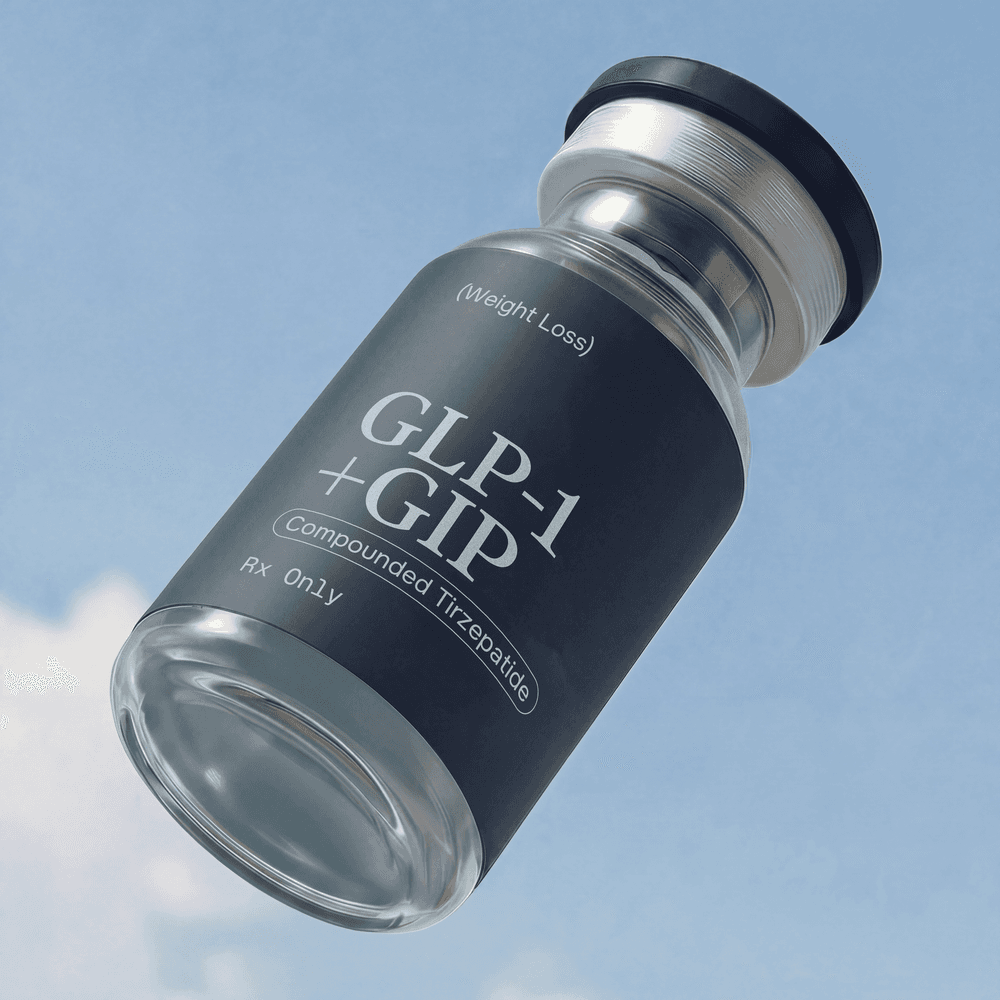
Tirzepatide vial
Weight lossTirzepatide

Dual-action GLP‑1/GIP for faster results

From
$149/mo
Taken
Once-weekly injection
Type
Dual GLP‑1/GIP agonist
Learn more

Tips for semaglutide injections at home

If you searched how to inject Ozempic, know that Ozempic and Wegovy come in prefilled pens with their own instructions, and those steps do not apply to a vial and syringe. If you are using a compounded vial, follow the vial steps above and the instructions from your pharmacy.

  • Keep one injection day. The labels allow any time of day, with or without meals.
  • Use a new syringe every time. MedlinePlus is clear that needles are never reused or shared.
  • Store the vial as your pharmacy label says, and date it when you first open it.
  • Log date, units and site so your clinician can see the pattern.
  • Tie the injection to something you already do weekly. Arbor's guide to a weekly routine around GLP-1 injections has practical ways to make it stick.

The FDA recommends a two-step approach to sharps: put every used needle in the container right away, and when it is about three-quarters full, dispose of it the way your community allows, such as a drop-off site, a household hazardous waste site or a mail-back program. If you do not have an FDA-cleared container, a heavy-duty plastic household container with a tight, puncture-resistant lid can stand in.

Some soreness at the site is expected. Redness, swelling, red streaks or a fever can mean infection, so message your clinician.

If you think you injected more than your prescribed dose, contact your clinician right away. For an overdose, MedlinePlus advises calling the poison control helpline at 1-800-222-1222, and 911 if someone collapses, has a seizure, has trouble breathing or cannot be woken. Swelling of the face or throat after an injection also needs emergency care. Everything else on this page is a message to your Arbor clinician.

Frequently asked questions

Any of the three label sites: the stomach at least 2 inches from the belly button, the thigh or the upper arm. The Wegovy label reports similar semaglutide exposure from all three, so the best place is the one you can reach comfortably and rotate. If you miss a dose, see the missed GLP-1 dose next steps before you inject.

How to inject semaglutide in thigh skin comes down to the spot and the pinch. Sit down and use the front or outer side of the upper thigh, well above the knee. Clean the spot, pinch a fold of skin and fat, insert the needle at 90 degrees and push the plunger steadily. If you are unsure where to inject semaglutide in thigh tissue, ask your clinician to walk you through it.

Neither works better. The FDA label for Wegovy reports similar exposure from the abdomen, thigh and upper arm. The stomach is easy to see when you inject on your own, and alternating stomach and thigh is a simple way to rotate.

Sources

  1. Semaglutide Injection. MedlinePlus, U.S. National Library of Medicine.
  2. Subcutaneous (SQ) injections. MedlinePlus Medical Encyclopedia.
  3. Drawing medicine out of a vial. MedlinePlus Medical Encyclopedia.
  4. WEGOVY (semaglutide) injection, prescribing information and Instructions for Use. DailyMed, U.S. National Library of Medicine.
  5. FDA alerts health care providers, compounders and patients of dosing errors associated with compounded injectable semaglutide products. U.S. Food and Drug Administration, July 26, 2024.
  6. Best Way to Get Rid of Used Needles and Other Sharps. U.S. Food and Drug Administration.