
Start for $99No results? No chargeSame-day approvalNo price increases — everBuy now, pay later

How to Avoid "Ozempic Face": Protein, Pace of Loss & Skin Care on a GLP-1

"Ozempic face" is not a side effect listed in the Ozempic or Wegovy prescribing information. It is a nickname for the hollow, looser look that can follow fast, large weight loss, and the habits that lower the odds are the same ones Arbor's clinicians build into every GLP-1 program.

Clinically reviewed
Medically reviewed by Arbor Health TeamMedical Content Team8 min read

What you’ll need

None of it is a cosmetic product
  • A protein at every mealEggs, fish, poultry, Greek yogurt or beans
  • Two strength sessionsEach week, working every major muscle group
  • A weekly weigh-inSame day, same scale, written down
  • Broad spectrum sunscreenSPF 15 or higher, every morning
  • A water bottleRefilled more often on days with nausea
  • Your Arbor clinicianFor dose questions and pace check-ins

Your face follows the rest of you. What protects your muscle and your pace of loss also protects your face, and none of it costs more than groceries and a little time.

What "Ozempic face" describes

"Ozempic face" is a media term, not a diagnosis. It describes a face that looks thinner and older after significant weight loss, with flatter cheeks and looser skin along the jaw.

A 2023 paper in Facial Plastic Surgery put the mechanism plainly: rapid weight and fat loss depletes facial volume, and wrinkles and sagging follow. The authors added that prescribers seldom warn patients ahead of time, which is why the change so often comes as a surprise.

Facial volume loss is not among the adverse reactions in the Wegovy or Ozempic prescribing information. It is a consequence of losing a lot of weight quickly, not a toxic effect of semaglutide on skin, and it can follow any large weight loss.

One note on names. Ozempic is Novo Nordisk's brand of semaglutide. Arbor's programs use compounded semaglutide and compounded tirzepatide from licensed U.S. pharmacies, and compounded medications are not FDA-approved. The facial question is the same either way, because it comes from the weight loss, not the brand.

Why fast, large weight loss shows in the face

Much of the face's fullness is fat, and when body fat drops, facial fat drops with it. Three things decide how visible that becomes.

The first is how much you lose. In the STEP 1 trial of 1,961 adults, semaglutide 2.4 mg produced an average loss of 14.9% of body weight over 68 weeks, against 2.4% on placebo. Half the semaglutide group lost 15% or more.

The second is what you lose. A 2024 review in Diabetes, Obesity and Metabolism notes that GLP-1 weight loss now approaches what surgery achieves. In some studies lean mass made up 40% to 60% of the weight lost. In others it was about 15% or less. Lean mass counts organs and water as well as muscle, but the spread makes the point: the same medication can leave very different bodies.

The third is speed. The facial plastic surgery literature ties these changes to rapid loss, and speed is the factor your dose schedule shapes most directly.

Pace of loss & why your clinician sets it

No study has set a safe speed for the face. The CDC does offer a general benchmark: people who lose about 1 to 2 pounds a week, at a gradual, steady pace, are more likely to keep the weight off than people who lose it faster.

Pace matters beyond appearance, too. The Wegovy prescribing information warns that substantial or rapid weight loss can raise the risk of gallstones, though gallbladder problems can also occur without it.

On a GLP-1, pace mostly follows dose and how quickly it rises. Your clinician sets both, and the schedule starts low on purpose. Do not skip ahead or double up to speed things along. If the scale is moving faster than you expected, do not cut back on your own either: message your care team, who can decide whether to hold a step.

For a sense of a typical curve, see this look at realistic weight loss on semaglutide month by month.

A routine that protects your face & muscle

No routine can promise your face will not change. This one works on what you can influence: what you lose, how fast, and the state of your skin along the way.

  1. Step 1: Put protein first on the plate

    A GLP-1 shrinks appetite, and protein is often the first thing to go. Eat the protein on your plate before anything else. MedlinePlus puts healthy adults at 10% to 35% of calories from protein, and an ounce of most protein foods supplies about 7 grams.

    Small appetite, same protein. Eat it first.

  2. Step 2: Lift twice a week

    The CDC's physical activity guidelines call for muscle-strengthening work on 2 or more days a week, covering every major muscle group. Bands, body weight and machines all count. The guide to strength training on a GLP-1 has a starting plan.

  3. Step 3: Weigh in once a week

    Same day, same scale, first thing in the morning, written down. A weekly number shows your clinician the trend without the noise of daily water shifts.

  4. Step 4: Drink before you are thirsty

    Nausea, vomiting and diarrhea drain fluids fast, and the Wegovy label tells patients to drink fluids to lower the chance of dehydration. Keep a bottle in sight. Refill it more often on rough days.

  5. Step 5: Wear sunscreen every morning

    The FDA lists early skin aging among the risks of too much sun. It recommends a broad spectrum sunscreen of SPF 15 or higher, reapplied at least every two hours outdoors.

    Sunscreen does not replace volume. It protects the skin you have.

  6. Step 6: Keep skin care simple

    A gentle cleanser, a moisturizer you will use and sunscreen are enough for most people. No cream, serum or supplement replaces facial fat, so treat any product sold as an Ozempic face fix with suspicion.

  7. Step 7: Bring it up at every check-in

    If your face is changing in a way that bothers you, say so. It is a fair reason to revisit pace, protein and whether your current dose step suits you.

When to message your clinician

Your face is changing faster than you expected

Tell your care team how many pounds you have lost and over how many weeks. Your clinician can compare that pace with your dose schedule and may hold the current step longer.

You cannot eat enough

Skipping meals because you are not hungry makes it hard to get enough protein. Message your clinician with what a typical day of eating looks like, so they can review it alongside your dose schedule.

Nausea, vomiting or diarrhea will not settle

Ongoing stomach symptoms are the main route to dehydration on semaglutide, and the label notes that dehydration has led to kidney problems in some patients. Tell your care team the same day.

Pain in your upper belly, fever or yellow skin

These can signal a gallbladder problem, which the label links in part to rapid weight loss. Call your clinician right away.

Fainting, severe dizziness, signs of dehydration you cannot correct (very little urine, or you cannot keep fluids down), severe abdominal pain, or yellowing of your skin or eyes means stop and get urgent care. Everything else on this page is a message to your Arbor clinician, not an emergency.

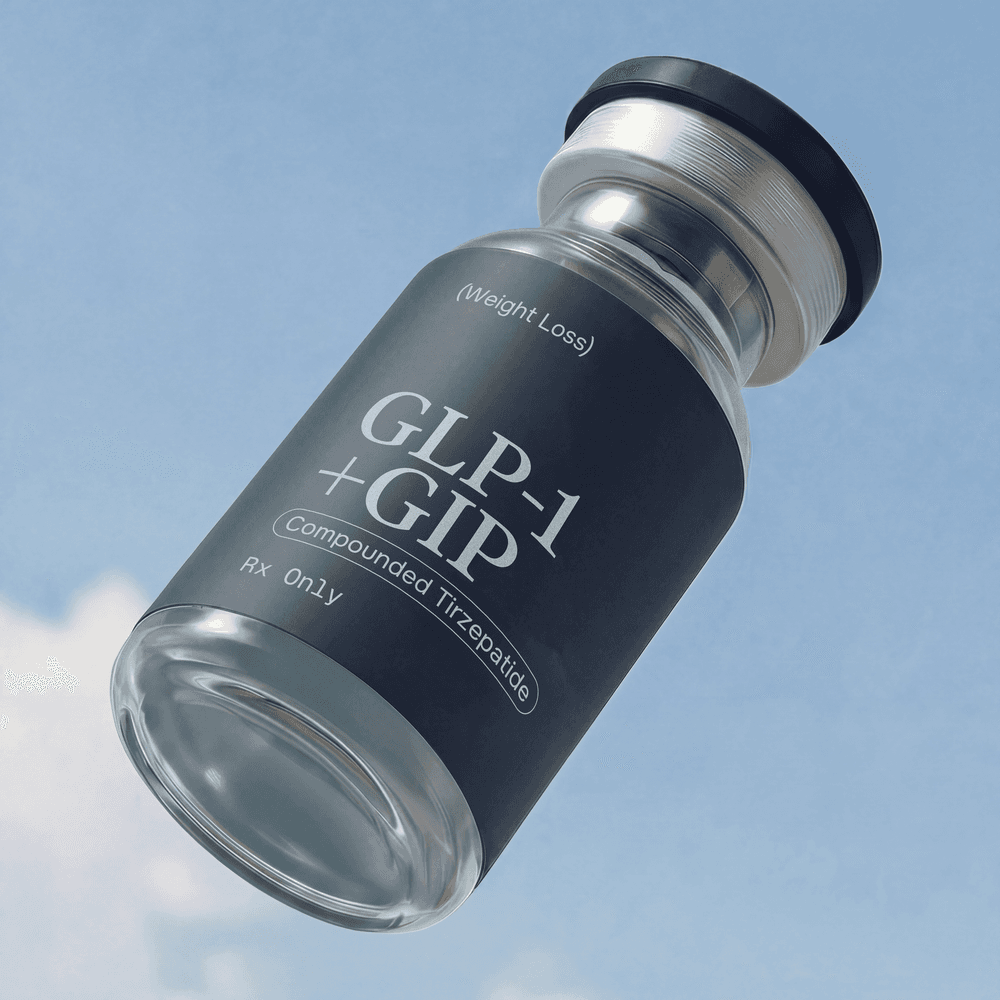
Tirzepatide vial
Weight lossTirzepatide

Dual-action GLP‑1/GIP for faster results

From
$149/mo
Taken
Once-weekly injection
Type
Dual GLP‑1/GIP agonist
Learn more

If volume loss has already happened

Some change may happen even when you do everything above. Cosmetic treatment is a separate decision for a board-certified dermatologist or facial plastic surgeon. Cosmetic procedures are not part of a GLP-1 program.

Dermal fillers come up most often. The FDA has approved them for adults 22 and older for specific uses, including adding volume to the cheeks and chin. Absorbable fillers break down over time and may need repeating. The FDA advises a licensed provider experienced in dermatology or plastic surgery, and warns that injectable silicone is not approved for any cosmetic use.

Questions worth asking before you book:

  • Should I wait until my weight has been stable for a while?
  • Which filler is approved for the area you want to treat?
  • What side effects are temporary and which could be permanent?
  • How long will it last, and what does a repeat cost?

For most people the better first move is upstream: enough protein, regular strength work and a pace your clinician is comfortable with. That is the part of Ozempic face you can influence before it starts, and the part Arbor's clinicians help you manage.

Frequently asked questions

Not in the label sense. Facial volume loss is not listed among the adverse reactions in the Wegovy or Ozempic prescribing information. It results from losing a large amount of weight, often quickly, and the same change can follow surgery or dieting.

It depends on how much you lose, how fast and how your skin responds, and nobody can predict it reliably for one person. Regaining weight is not a plan for your face. If the change bothers you, a board-certified dermatologist or facial plastic surgeon can walk you through the options.

Yes. Compounded semaglutide has the same active ingredient, and the facial change comes from the weight loss rather than the brand. Compounded medications are not FDA-approved, and your clinician decides whether one fits you.

Any medication that produces large or fast weight loss can. The habits that lower the odds are the same on tirzepatide: protein at every meal, strength work at least twice a week, and a pace your clinician sets.

MedlinePlus puts the general range for healthy adults at 10% to 35% of daily calories. With a smaller appetite, your clinician may set a specific daily target. The guide to protein during GLP-1 treatment covers how to hit it.

Ask the dermatologist or facial plastic surgeon you are considering. The FDA notes that absorbable fillers break down and may need repeating, and your face may keep changing while your weight does. Many people raise Ozempic face with their clinician first, to sort out pace and protein before anything cosmetic.

Sources

  1. Humphrey CD, Lawrence AC. Implications of Ozempic and other semaglutide medications for facial plastic surgeons. Facial Plast Surg. 2023;39(6):719-721.
  2. Wilding JPH, et al. Once-weekly semaglutide in adults with overweight or obesity (STEP 1). N Engl J Med. 2021;384:989-1002.
  3. Neeland IJ, Linge J, Birkenfeld AL. Changes in lean body mass with glucagon-like peptide-1-based therapies and mitigation strategies. Diabetes Obes Metab. 2024.
  4. Wegovy (semaglutide) prescribing information. DailyMed, U.S. National Library of Medicine.
  5. Losing Weight. Centers for Disease Control and Prevention.
  6. Adult Activity: An Overview. Centers for Disease Control and Prevention.
  7. Protein in diet. MedlinePlus Medical Encyclopedia.
  8. Sunscreen: How to Help Protect Your Skin from the Sun. U.S. Food and Drug Administration.
  9. Dermal Fillers (Soft Tissue Fillers). U.S. Food and Drug Administration.