

Start for $99No results? No chargeSame-day approvalNo price increases — everBuy now, pay later

How to Prevent Hair Loss on a GLP-1: What Causes It & What Helps

Most hair loss on a GLP-1 looks like shedding after fast weight loss, and it usually grows back. What people call Ozempic hair loss shows up in the semaglutide and tirzepatide prescribing data too, at rates of 3% to 6% in trials. Here is what causes it, what lowers your odds, and when to raise it with Arbor's clinicians.

Clinically reviewed
Medically reviewed by Arbor Health TeamMedical Content Team8 min read

What you’ll need

Mostly food and a little patience
  • Protein at every mealEggs, fish, poultry, tofu, beans or yogurt
  • Iron-rich foodsLean meat, lentils, beans, fortified cereals
  • A zinc sourceSeafood, meat, beans, nuts or whole grains
  • A gentle hair routineLoose styles, less heat, less tension
  • A monthly photoSame light, same angle, same part line
  • Your clinician's numberA message beats a month of guessing

Shedding is usually a delay, not damage. Hair that falls out after weight loss tends to show up weeks to months later, and this type of shedding usually eases over 6 to 8 months.

Why hair falls out on a GLP-1

The pattern most often described is telogen effluvium. Telogen is the resting phase of the hair cycle, and after a physical stress more hairs than usual enter it, then fall out together. MedlinePlus lists crash diets among the triggers, especially ones without enough protein, alongside major surgery and high fever.

The delay is what confuses people. Hair comes out in handfuls in the shower or on a brush weeks to months after the stress that caused it, often when weight loss is already slowing.

Some shedding is normal: most people lose 50 to 200 scalp hairs a day without noticing. Telogen effluvium can shed one half to three quarters of scalp hair, according to MedlinePlus. It is usually temporary.

Whether the medication plays a role beyond the weight loss is still open. A 2025 scoping review in Cureus found nine studies and more than 1,000 reports in the FDA's adverse event database. Most studies never confirmed the diagnosis with a dermatologist, and the authors could not establish cause. The guide to common GLP-1 side effects covers the rest of what to expect.

What the prescribing labels report

The FDA labels for the brand-name medications list hair loss, and the rates are low. In the trials behind the Wegovy prescribing information, 3% of adults on 2.4 mg reported it, against 1% on placebo. The Zepbound prescribing information reports 4% to 5% across three doses.

  • Wegovy 2.4 mg (semaglutide) — Hair loss: 3%; Placebo: 1%
  • Wegovy 7.2 mg (semaglutide) — Hair loss: 6%; Placebo: 1%
  • Zepbound 5 mg (tirzepatide) — Hair loss: 5%; Placebo: 1%
  • Zepbound 10 mg (tirzepatide) — Hair loss: 4%; Placebo: 1%
  • Zepbound 15 mg (tirzepatide) — Hair loss: 5%; Placebo: 1%

Adults treated for weight reduction. Wegovy 7.2 mg comes from separate trials in which 3% of people on 2.4 mg reported hair loss. Source: FDA prescribing information on DailyMed.

Two details in the Zepbound label matter more than the headline. Women reported hair loss far more often than men, 7.1% versus 0.5%, and the label ties the hair loss it saw to weight reduction. No one on Zepbound in those pooled trials stopped treatment because of it.

Ozempic hair loss is harder to put a number on. Ozempic is approved for type 2 diabetes, and its label lists alopecia among reports received after approval, where frequency cannot be reliably estimated.

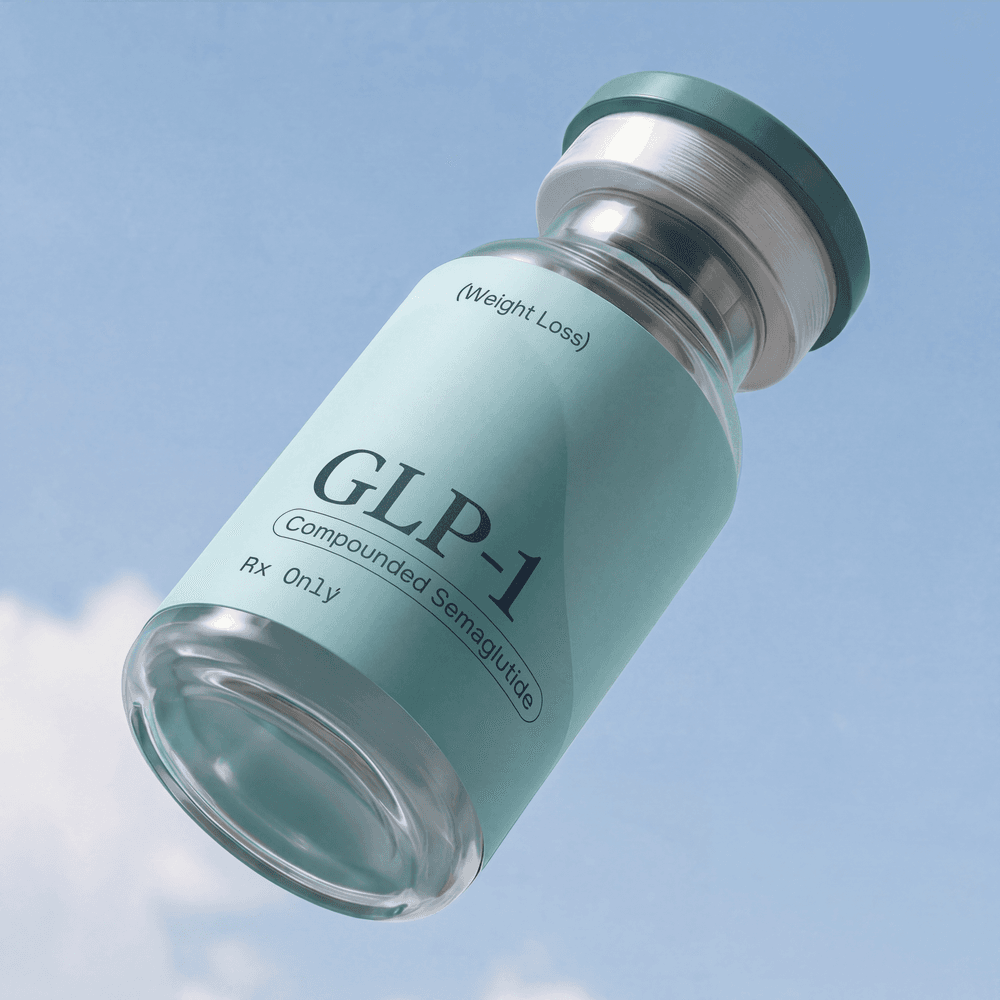
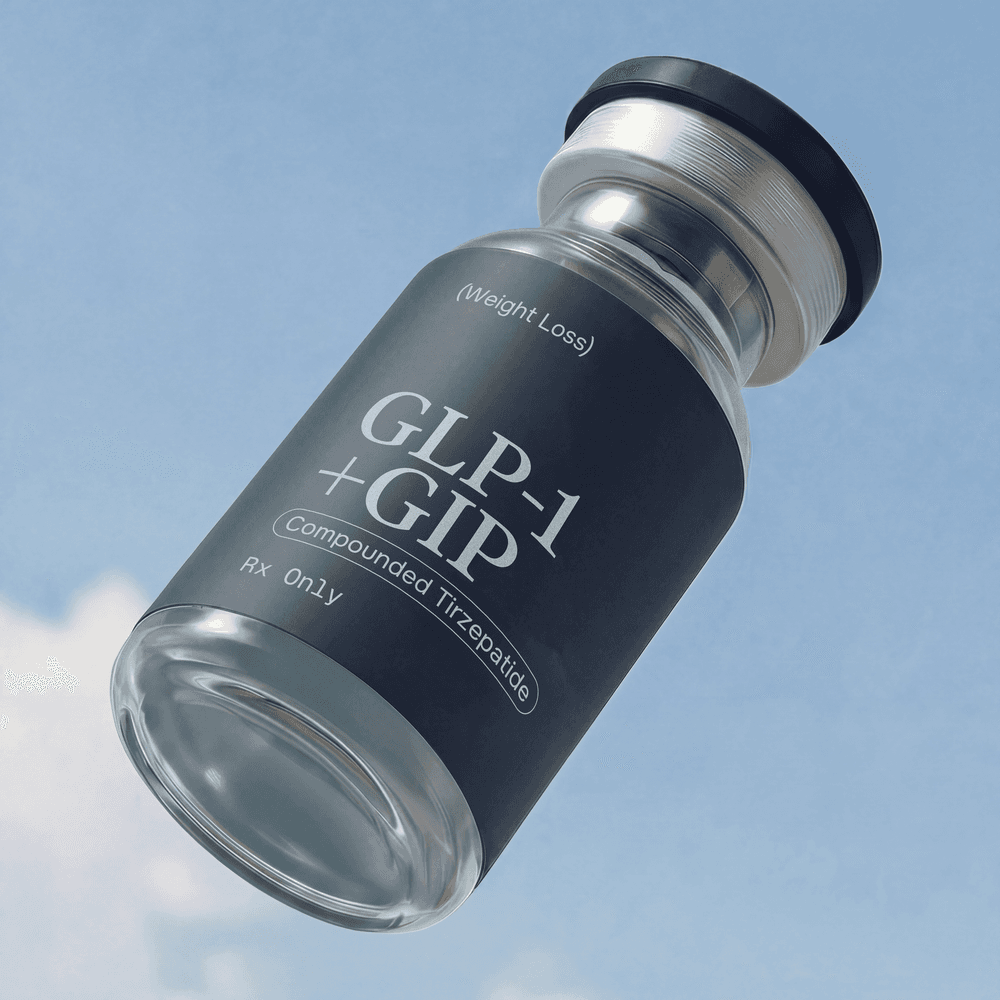
Arbor's programs use compounded semaglutide and compounded tirzepatide, the same active ingredients. Compounded medications are not FDA-approved, and they are not the products tested in these trials.

Lowering your risk, step by step

No step here guarantees you keep every hair. Each one targets a trigger the evidence points to: too little food, too little protein, or weight coming off faster than your body can keep up.

  1. Step 1: Eat protein at every meal

    A palm-sized portion of eggs, fish, poultry, tofu or Greek yogurt at every meal, not only at dinner. Protein is the first thing to slip when appetite drops; the guide to protein during GLP-1 treatment explains why it matters for muscle too.

    Crash diets low in protein are a named trigger for telogen effluvium.

  2. Step 2: Do not let meals disappear

    Low appetite is the point of the medication. Going most of a day without food is still a crash diet. Smaller meals on a schedule keep intake steady when hunger is quiet.

  3. Step 3: Get iron & zinc from food

    Women aged 19 to 50 need 18 mg of iron a day, and men, and women over 50, need 8 mg, according to the NIH Office of Dietary Supplements . Lean meat, lentils, beans and fortified cereals supply it. Zinc comes from seafood, meat, beans and nuts, with an adult upper limit of 40 mg a day, since too much over time can lower copper.

    MedlinePlus lists anemia among the causes of hair loss.

  4. Step 4: Skip the biotin megadose

    Biotin is sold everywhere for hair, yet the support rests on case reports in children, according to the NIH Office of Dietary Supplements . High doses can also throw off common lab tests, thyroid tests among them. If you take it, tell your clinician before any blood draw.

  5. Step 5: Be gentle with your hair

    Tight ponytails and braids, frequent blow-drying and heavy shampooing all stress hair that is already shedding. Looser styles and less heat for a few months cost nothing.

  6. Step 6: Take one photo a month

    Same light, same angle, same part line. Daily shedding feels dramatic, and a monthly photo shows whether density is really changing.

  7. Step 7: Tell your clinician early

    Note the month the shedding started, recent dose changes and how much you are eating. Your clinician decides whether labs are worth checking, and the guide to blood work during GLP-1 treatment lists the panels clinicians commonly use.

What to expect while it grows back

Telogen effluvium usually settles on its own. MedlinePlus describes the shedding easing over 6 to 8 months, with hair usually growing back once the stress behind it has passed.

New hair grows in slowly. A ponytail can feel thin for months after the shedding itself has stopped.

Until then, a new part line, a shorter cut or a looser style hides a lot. MedlinePlus calls hair weaves and hairpieces the least expensive and safest way to disguise hair loss, as long as they are not sewn to the scalp.

Occasionally the shedding becomes long term. If it is still heavy after six months, or nothing has started filling in, raise it with your clinician rather than waiting longer.

When shedding needs a closer look

Diffuse shedding that starts months after you began losing weight fits the usual pattern. The cases below do not, and each is a reason to message your clinician.

Bald patches or an unusual pattern

Round bald spots, patches in the beard or eyebrows, or loss in a pattern rather than all over suggest a cause other than telogen effluvium, such as alopecia areata.

Pain, itching or changes in the scalp

MedlinePlus lists scalp pain, itching, redness or scaling with hair loss as reasons to see a provider, along with signs of infection on the scalp.

Hair loss with tiredness, feeling cold or weight changes

Shedding alongside fatigue, feeling cold, muscle weakness or unexplained weight gain can point to a thyroid problem, which a blood test can check.

Hair loss with acne, facial hair or irregular periods

In women, this combination can reflect a hormone change. It deserves its own evaluation.

Hair loss is not an emergency

Severe abdominal pain that spreads to your back, vomiting you cannot keep down, or swelling of the face or throat is one, and means stop and seek care now. Do not stop or change your dose over shedding without talking to your clinician. Everything else on this page is a message to your Arbor clinician.

Tirzepatide vial
Weight lossTirzepatide

Dual-action GLP‑1/GIP for faster results

From
$149/mo
Taken
Once-weekly injection
Type
Dual GLP‑1/GIP agonist
Learn more

How Arbor's clinicians handle it

Ozempic hair loss is common enough to belong in the conversation before your first dose, not after the first handful in the shower. Arbor's clinicians ask about diet, recent weight changes and when shedding started. They set your dose and the pace of increases, and they can hold a dose when your intake has dropped too far.

The semaglutide program and the tirzepatide program both include 24/7 access to licensed clinicians, plus registered-dietitian aftercare once the program ends. If treatment is not the right fit for you, it is not prescribed.

Frequently asked questions

Usually, yes. MedlinePlus says this kind of shedding tends to ease over 6 to 8 months, and hair usually grows back once the trigger has passed. Regrowth is slow, though. New hairs start short, so it can take longer still before your hair looks and feels the way it did, and a monthly photo is the fairest way to judge it.

That has not been shown. The Zepbound label ties hair loss in its trials to weight reduction, and a 2025 scoping review could not confirm a causal link. For most people, fast weight loss is the likely driver.

In the Zepbound trials, 7.1% of women reported hair loss compared with 0.5% of men. Women under 50 also need more iron, 18 mg a day, which is one more reason to keep iron-rich foods on the plate.

Not for most people. The hair claims rest on case reports, and high doses can make thyroid and other lab results read falsely. Ask your clinician first.

The labels cannot say. Those rates come from different trials, and no head-to-head trial has compared hair loss between the two.

Not on your own. Ozempic hair loss usually reflects the weight loss rather than lasting harm to the follicle, and dose decisions belong with your clinician. Message them with when it started and how much you are eating.

Sources

  1. WEGOVY (semaglutide) prescribing information, DailyMed, National Library of Medicine.
  2. ZEPBOUND (tirzepatide) prescribing information, DailyMed, National Library of Medicine.
  3. OZEMPIC (semaglutide) prescribing information, section 6.2 Postmarketing Experience, DailyMed.
  4. Hair loss. MedlinePlus Medical Encyclopedia, National Library of Medicine.
  5. Rojas Lopez RF, et al. Alopecia as an emerging adverse effect associated with GLP-1 receptor agonists for weight loss: a scoping review. Cureus. 2025;17(8):e90021.
  6. Iron: fact sheet for consumers. NIH Office of Dietary Supplements.
  7. Zinc: fact sheet for consumers. NIH Office of Dietary Supplements.
  8. Biotin: fact sheet for health professionals. NIH Office of Dietary Supplements.
  9. Protein in diet. MedlinePlus Medical Encyclopedia, National Library of Medicine.