
Start for $99No results? No chargeSame-day approvalNo price increases — everBuy now, pay later

12 Foods That Naturally Boost GLP-1 (& Why They Are Not Ozempic)

Natural GLP-1 foods are real, but their effect is measured in minutes and percentages, not weeks. Here are 12 foods studied for GLP-1 in people, ranked by how strong the evidence is, and an honest look at why none of them works like Ozempic.

Clinically reviewed
Medically reviewed by Arbor Health TeamMedical Content Team9 min read

The top three

Single-meal trials, measured in hours
Our pick

01  Whey protein

Strongest single-meal result

02  Vegetables eaten first

Easiest change to make tonight

38%higher GLP-1 when carbs came last

03  Barley

Top whole-grain result

56%higher fasting GLP-1 next morning

Read the doses. The biggest effects came from oversized servings, small groups and a single meal. A once-weekly GLP-1 medication works on a different scale entirely.

What your own GLP-1 does

L-cells in your intestine release GLP-1 when you eat. The hormone prompts insulin release, slows stomach emptying and helps signal fullness. Then it is gone. A 2019 review puts its half-life at about 1 to 2 minutes, because the enzyme DPP-4 breaks it down almost as soon as it is made.

So a food can raise GLP-1 after a meal, but the rise fades within hours. Most foods that increase GLP-1 work through protein, fat or fiber reaching the L-cells, or through fiber that gut bacteria ferment.

How this list is ranked

Every food below was tested in people and ranked from strongest result to weakest. Most studies fed one meal to 10 to 30 people and measured GLP-1 for a few hours. Treat each finding as a signal rather than a promise.

Each entry flags food industry funding and servings far larger than a snack. The last two entries appear on most lists online, but the trials do not back them up.

01

Whey protein

Milk protein, taken before a meal

141%higher total GLP-1 vs water

In a 2014 crossover trial of 15 adults with type 2 diabetes, whey before breakfast raised total GLP-1 141% above water, the largest rise on this list.

Where it wins

  • Total GLP-1 141% higher, intact GLP-1 298% higher
  • Post-meal blood sugar 28% lower
  • A 55 g trial also found GLP-1 highest with a pre-meal dose

What it costs you

  • 50 g is about two scoops, a large dose
  • 15 people, one meal, all with type 2 diabetes
  • Funded in part by a milk council

Strongest single-meal result

02

Vegetables eaten first

Carbohydrate saved for last

38%higher GLP-1 when carbs came last

The same meal produced more GLP-1 when vegetables and protein came before the bread. Order alone made the difference.

Where it wins

  • GLP-1 about 38% higher with carbohydrate last
  • Post-meal blood sugar 53% lower
  • Free, and works with any meal

What it costs you

  • 16 adults with type 2 diabetes, one meal each way
  • Untested in people already on a GLP-1 drug

Easiest change to make tonight

03

Barley

Whole barley kernels

56%higher fasting GLP-1 next morning

In 20 healthy middle-aged adults, three days of whole-kernel barley bread raised next-morning fasting GLP-1 by 56% over white wheat bread.

Where it wins

  • Fasting GLP-1 up 56%
  • PYY, another fullness hormone, up 18% after meals
  • Blood sugar response down 22%

What it costs you

  • Depends on whole-kernel fiber, not flour
  • A 3-day study

Top whole-grain result

04

Olive oil

Monounsaturated fat

HigherGLP-1 than butter in the same meal

Added to the same carbohydrate meal, olive oil beat butter on GLP-1 and GIP in lean adults and again in adults with type 2 diabetes.

Where it wins

  • Higher GLP-1 than butter in a 1999 trial
  • Repeated in 12 adults with type 2 diabetes in 2003
  • Fits a Mediterranean-style plate

What it costs you

  • 80 g of oil, about 5.5 tablespoons, in one meal
  • Compared with butter, not a normal meal
  • About 700 calories at that dose

Best swap for butter

05

Avocado

A whole avocado at breakfast

31adults in a 2019 breakfast trial

In 31 adults with overweight or obesity, swapping some breakfast carbohydrate for a whole avocado raised GLP-1 and PYY compared with the control breakfast.

Where it wins

  • GLP-1 and PYY both significantly higher
  • Greater drop in hunger
  • Replaces refined carbohydrate rather than adding to it

What it costs you

  • Funded by the Hass Avocado Board
  • One meal per condition
  • A whole avocado adds real calories

Best fat to trade for refined carbohydrate

06

Pistachios

Eaten with a meal

20adults with metabolic syndrome

Pistachios raised GLP-1 and lowered blood sugar compared with white bread in a 20-person crossover trial of adults with metabolic syndrome.

Where it wins

  • Higher GLP-1 than white bread
  • Lower blood sugar after the meal
  • Portable and shelf-stable

What it costs you

  • Compared with white bread, a low bar
  • Almonds, tested in 140 adults, showed no GLP-1 difference

The better nut on the evidence

07

Chickpeas & other legumes

Whole, minimally processed

LongerGLP-1 release when cells stay intact

Chickpeas with intact cell walls produced a longer GLP-1 and PYY release than broken-down chickpeas in a small 2025 study using gut tubes.

Where it wins

  • Prolonged GLP-1 and PYY release from intact chickpeas
  • Black beans raised other fullness hormones in a separate trial
  • Fiber and plant protein in one food

What it costs you

  • 10 people, comparing two forms of chickpea
  • No trial of legumes against no legumes for GLP-1

Choose whole over processed

08

Chicory root & inulin fiber

Fermentable prebiotic fiber

16 gprebiotic fiber a day in the trial

When 10 healthy adults took 16 g of prebiotic fiber a day for two weeks, GLP-1 and PYY rose after a test meal. The same group's earlier work used inulin-type fiber from chicory root.

Where it wins

  • Higher GLP-1 and PYY after meals
  • Lower hunger ratings
  • GLP-1 tracked closely with gut fermentation

What it costs you

  • 16 g a day is far above what foods normally supply
  • 10 people, two weeks
  • The earlier chicory inulin work was in rats

Fiber with the clearest GLP-1 link

09

Eggs in a high-protein breakfast

Protein-forward first meal

8 hof higher GLP-1 after a protein breakfast

Over 8 hours, a high-protein breakfast raised overall GLP-1 more than a high-carbohydrate one in 12 adults with type 2 diabetes, though the rise right after breakfast was no different.

Where it wins

  • Higher overall GLP-1 across the day
  • Egg and beef breakfasts raised PYY and lowered ghrelin in another trial
  • Less evening snacking in that trial

What it costs you

  • No trial shows eggs alone raise GLP-1
  • In one study an omelette delayed GLP-1 rather than raising it

A good start, mixed evidence

10

Full-fat yogurt

Fermented dairy

13adults with prediabetes

Over three weeks, 13 adults with prediabetes had higher fasting GLP-1 on three daily servings of full-fat yogurt than on the same amount of nonfat yogurt.

Where it wins

  • Higher fasting GLP-1 than nonfat yogurt
  • Controlled feeding study
  • Yogurt is easy to eat with a small appetite

What it costs you

  • Compares two yogurts, not yogurt vs none
  • Funded by the National Dairy Council
  • Blood sugar, the main outcome, did not change

Preliminary evidence only

11

Dark chocolate

Cacao-polyphenol-rich

Weakone trial, no significant difference

Dark chocolate before a glucose drink nudged GLP-1 up in one trial of 48 adults. Across the full 3 hours, the response did not differ significantly from water.

Where it wins

  • Direction of the effect was upward
  • Peak blood sugar unchanged, not worse

What it costs you

  • Compared with water, so the chocolate's own fat and protein may explain it
  • Co-authors from a chocolate maker
  • No trial of regular dark chocolate over time

Weakest case on the list

12

Oats

Oat beta-glucan

No risein GLP-1 in a controlled trial

Oats made people feel fuller in a 33-person trial, but GLP-1 did not rise. At 90 minutes it was lower than with the control breakfast.

Where it wins

  • More fullness after breakfast
  • Lower blood sugar and insulin in a 2020 trial

What it costs you

  • No GLP-1 increase
  • No change in how much people ate later
  • Industry co-authors on both studies

Fullness without the GLP-1

Why these foods are not Ozempic

The gap is time and dose. Food raises your own GLP-1 a modest amount for minutes to hours. Semaglutide, the drug in Ozempic and Wegovy, was engineered to resist the breakdown that clears native GLP-1 and to bind to albumin in the blood.

  • Your own GLP-1 after a meal — How long it lasts: Half-life about 1 to 2 minutes; Source: Mueller 2019 review
  • Semaglutide — How long it lasts: Half-life about 1 week; Source: FDA label
  • Tirzepatide — How long it lasts: Half-life about 5 days; Source: FDA label

A weekly injection keeps the GLP-1 receptor active around the clock.

A 2026 review of foods and GLP-1 puts it plainly: the physiological impact of modulating GLP-1 through diet is modest compared with activating GLP-1 receptors pharmacologically. GLP-1 medications are designed to stimulate the receptor beyond normal levels. No meal can do that.

Arbor's clinicians prescribe compounded semaglutide and tirzepatide when a medication is appropriate. Compounded versions are not FDA-approved. The clinician sets the dose, and if a medication is not the right fit, it is not prescribed. Arbor explains how the drug works in semaglutide for metabolic health.

Often listed, not backed by the trials

  • Fatty fish and omega-3: a human test meal with omega-3 fat lowered the GLP-1 response. The positive data comes from mice.
  • Almonds: the largest trial, 140 adults, found no difference in GLP-1 compared with a carbohydrate snack bar.
  • Berberine, sold as nature's Ozempic: NCCIH notes that very little may be absorbed by mouth, and a recent meta-analysis of 23 trials found an average weight change under 1 kg.

Supplements also skip drug review. The FDA has no authority to approve them for safety and effectiveness before they are sold.

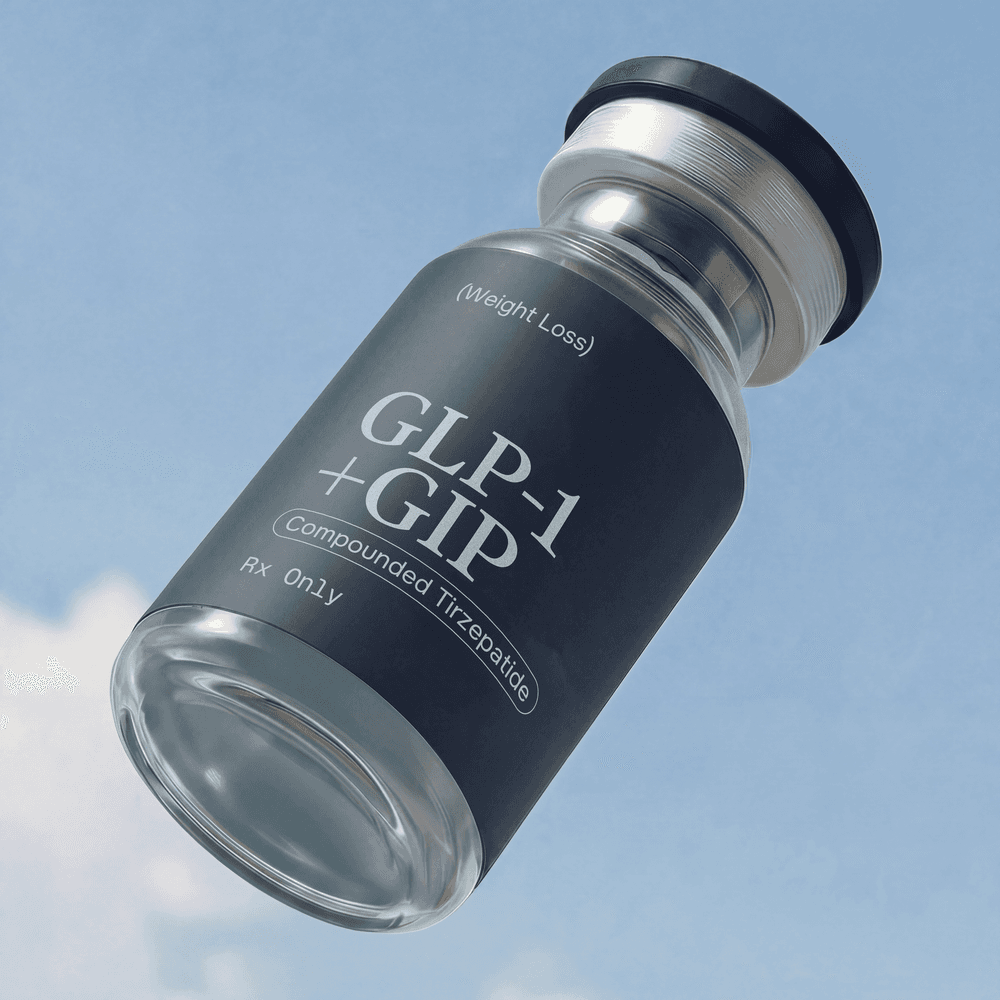
Tirzepatide vial
Weight lossTirzepatide

Dual-action GLP‑1/GIP for faster results

From
$149/mo
Taken
Once-weekly injection
Type
Dual GLP‑1/GIP agonist
Learn more

How to use these foods well

Start with the cheapest finding: eat vegetables and protein before starch at every meal. Then slow down. In a 2010 study, the same dessert eaten over 30 minutes instead of 5 produced about 41% more GLP-1.

If you take a GLP-1 medication, these foods support the program rather than replace it. Arbor's GLP-1 programs include registered-dietitian aftercare, and Arbor's guide to balanced meals on a GLP-1 builds plates around the same foods.

On a GLP-1 medication, severe stomach pain that sometimes spreads to your back, with or without vomiting, can signal pancreatitis and needs prompt care. Berberine can be harmful to newborns, so do not take it while pregnant or nursing without medical advice. For anything else, message your Arbor clinician.

Frequently asked questions

In human trials, whey protein before a meal, whole barley kernels, olive oil, avocado, pistachios, intact chickpeas and inulin fiber raised GLP-1. Eating vegetables and protein before carbohydrate did too. Most effects were measured over a single meal and faded within hours.

No. Food raises your own GLP-1 modestly, for minutes to hours. Semaglutide has a half-life of about a week and is built to stimulate the receptor beyond normal levels.

About 1 to 2 minutes, because the enzyme DPP-4 breaks native GLP-1 down almost as soon as the gut releases it.

No. Very little berberine may be absorbed when taken by mouth, and a recent meta-analysis found average weight loss under 1 kg. As a supplement, it is not FDA-approved for safety or effectiveness.

Yes. A 2025 nutrition advisory for people on GLP-1s recommends eating protein first. Ask your clinician before you add a concentrated fiber supplement.

Whey before a meal and eating carbohydrate last have the clearest results, followed by whole barley. Among natural GLP-1 foods, oats and dark chocolate have the weakest support despite their popularity.

Sources

  1. Mueller TD et al. Glucagon-like peptide 1 (GLP-1). Mol Metab. 2019.
  2. Holst JJ. The physiology of glucagon-like peptide 1. Physiol Rev. 2007.
  3. Ozempic (semaglutide) label, DailyMed.
  4. Zepbound (tirzepatide) label, DailyMed.
  5. Wegovy (semaglutide) label, DailyMed.
  6. Jakubowicz D et al. Whey protein premeal in type 2 diabetes. Diabetologia. 2014.
  7. Ma J et al. Whey protein preload in type 2 diabetes. Diabetes Care. 2009.
  8. Shukla AP et al. Carbohydrate-last meal pattern. BMJ Open Diabetes Res Care. 2017.
  9. Nilsson AC et al. Barley kernel bread and gut hormones. Br J Nutr. 2015.
  10. Thomsen C et al. Olive oil vs butter and GLP-1. Am J Clin Nutr. 1999.
  11. Thomsen C et al. Olive oil vs butter in type 2 diabetes. Am J Clin Nutr. 2003.
  12. Zhu L et al. Whole avocado at breakfast and gut hormones. Nutrients. 2019.
  13. Wien M et al. Avocado at lunch and satiety. Nutr J. 2013.
  14. Kendall CW et al. Pistachios and glycemia in metabolic syndrome. Eur J Clin Nutr. 2014.
  15. Carter S et al. Almonds and appetite hormones. Eur J Nutr. 2023.
  16. Cai M et al. Chickpea cell structure and gut hormone release. Nat Metab. 2025.
  17. Reverri EJ et al. Black beans and satiety hormones. Appetite. 2017.
  18. Cani PD et al. Prebiotics increase GLP-1 and PYY in humans. Am J Clin Nutr. 2009.
  19. Delzenne NM et al. Inulin and oligofructose from chicory and gut peptides. Br J Nutr. 2005.
  20. Park YM et al. High-protein breakfast and GLP-1 in type 2 diabetes. J Nutr. 2015.
  21. Leidy HJ et al. High-protein breakfast, PYY and ghrelin. Am J Clin Nutr. 2013.
  22. Marsset-Baglieri A et al. Omelette vs cottage cheese and gut hormones. Appetite. 2015.
  23. Taormina VM et al. Full-fat vs nonfat yogurt in prediabetes. Nutr Res. 2025.
  24. Kawakami Y et al. Cacao polyphenol chocolate before glucose. Nutrition. 2021.
  25. Zaremba SMM et al. Oat beta-glucan, satiety and GLP-1. Appetite. 2018.
  26. Wolever TMS et al. Oat beta-glucan, gastric emptying and appetite. Am J Clin Nutr. 2020.
  27. Robertson MD et al. Dietary fat type and GLP-1 in women. Am J Clin Nutr. 2002.
  28. Kokkinos A et al. Eating slowly and gut hormones. J Clin Endocrinol Metab. 2010.
  29. Tkaczenko H et al. Foods as modulators of GLP-1 secretion. Nutrients. 2026.
  30. Review of GLP-1 receptor agonist design and supraphysiological stimulation. Front Endocrinol. 2024.
  31. Goldenseal (berberine), NCCIH.
  32. Elahi Vahed I et al. Berberine and body weight: meta-analysis. Int J Obes. 2026.
  33. FDA 101: Dietary supplements.
  34. Mozaffarian D et al. Nutritional priorities to support GLP-1 therapy for obesity: a joint advisory. Am J Clin Nutr. 2025.