


Start for $99No results? No chargeSame-day approvalNo price increases — everBuy now, pay later

7 Phentermine Alternatives, Including GLP-1 Options

Phentermine is approved for a few weeks of use. These phentermine alternatives are approved for long-term weight management, ranked on the weight loss in each drug's own label trial, with what each one asks of you in return.

Clinically reviewed
Medically reviewed by Arbor Health TeamMedical Content Team8 min read

The top three

Ranked on mean weight loss in each FDA label
Our pick
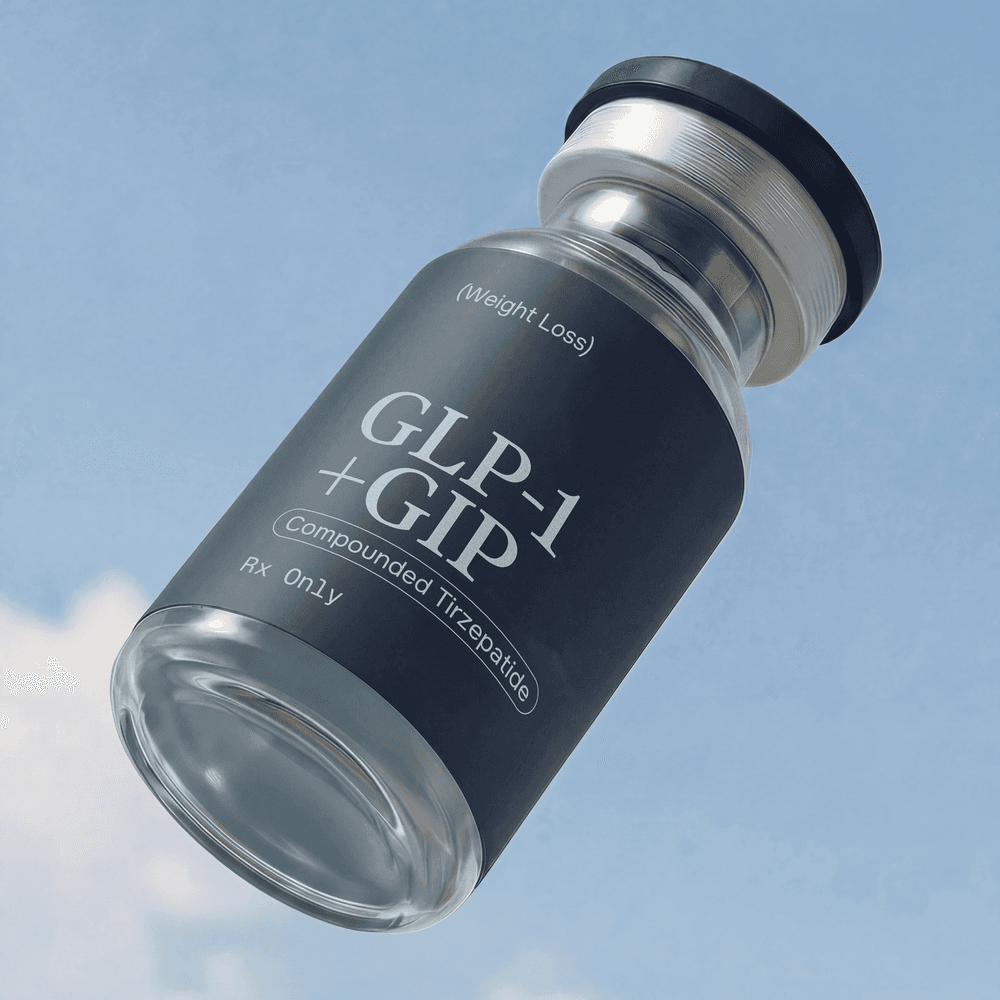
Compounded tirzepatide vial

01  Tirzepatide

Best when the goal is the most weight loss
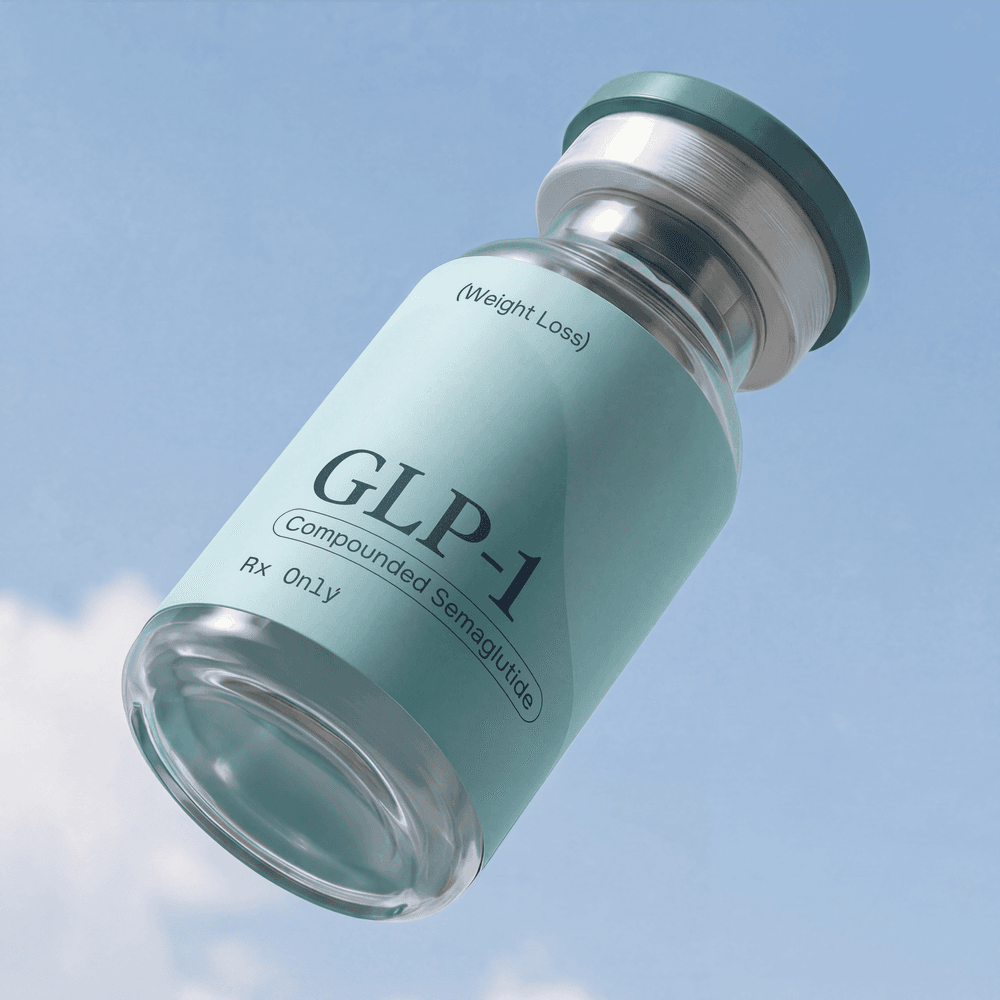
Compounded semaglutide vial

02  Semaglutide

Strongest when heart history shapes the choice

14.9%mean loss at 2.4 mg, 68 weeks

03  Orforglipron

Best for a pill with no fasting routine

11.1%mean loss at 17.2 mg, 72 weeks

Then four more. Two are pills that pair older drugs, one is a daily GLP-1 injection now sold as a generic, and one is the only option here sold without a prescription.

Why people look past phentermine

Phentermine has been prescribed since 1959, and its label still limits it to a short-term adjunct, a few weeks, alongside diet, exercise and behavior change. It is a Schedule IV controlled substance, chemically related to the amphetamines.

The effect is small, and the label says so: a fraction of a pound a week over placebo, with an impact over diet alone that must be considered clinically limited.

Then there is who can take it. Past heart disease or stroke, uncontrolled high blood pressure, an overactive thyroid, glaucoma, past drug misuse and pregnancy all rule it out. Arbor covers where phentermine still fits in how the oldest prescription diet pill fits in modern treatment.

How this list is ordered

Every option below is FDA-approved for chronic weight management, which phentermine is not, and they run from highest to lowest mean loss in each drug’s label trial.

Those trials differed in length and population, so read the order as a guide rather than a head-to-head result. Your own response also depends on your dose, your health and how long you stay on treatment.

Mean percent change in body weight on the highest studied dose, from each FDA label. Individual results vary.
MedicationHow it is takenLabel trial resultTrial length
Tirzepatide (Zepbound)Injection, once weekly20.9% vs 3.1% on placebo72 weeks
Semaglutide (Wegovy)Injection weekly, or tablet daily14.9% vs 2.4% on placebo68 weeks
Orforglipron (Foundayo)Pill, once daily11.1% vs 2.1% on placebo72 weeks
Phentermine-topiramate ER (Qsymia)Capsule, each morning10.9% vs 1.6% on placebo56 weeks
Liraglutide 3 mg (Saxenda, generic)Injection, once daily7.4% vs 3.0% on placebo56 weeks
Naltrexone-bupropion ER (Contrave)Tablets, twice daily5.4% vs 1.3% on placebo56 weeks
Orlistat (Xenical, Alli)Capsule with each fatty meal3 points more than placebo1 year
Compounded tirzepatide vial
01

Tirzepatide

GIP and GLP-1 receptor agonist, weekly injection

20.9%mean loss at 15 mg, 72 weeks

The largest average loss of any approved option in its label trial. It acts on two hormone receptors, GIP and GLP-1, where every other GLP-1 here acts on one.

Where it wins

  • 20.9% mean loss at 15 mg vs 3.1% on placebo in SURMOUNT-1
  • One injection a week
  • Also approved for moderate to severe sleep apnea in adults with obesity

What it costs you

  • Boxed warning for thyroid C-cell tumors seen in rats
  • Nausea, diarrhea and vomiting are the most common side effects
  • Not for anyone with a personal or family history of MTC or MEN 2

Best when the goal is the most weight loss

Compounded semaglutide vial
02

Semaglutide

GLP-1 receptor agonist, weekly injection or daily tablet

14.9%mean loss at 2.4 mg, 68 weeks

No other medication here is approved to lower the risk of heart attack, stroke and cardiovascular death in adults with heart disease and obesity or overweight. Since December 2025 it also comes as a once-daily tablet.

Where it wins

  • 14.9% mean loss vs 2.4% on placebo in STEP 1
  • Cardiovascular risk reduction shown in SELECT
  • Tablet option: 13.6% vs 2.4% on placebo over 64 weeks

What it costs you

  • Less average loss than tirzepatide in label trials
  • Tablet needs an empty stomach, then 30 minutes with no food or drink
  • Same thyroid C-cell boxed warning

Strongest when heart history shapes the choice

03

Orforglipron

Oral GLP-1 receptor agonist, daily pill

11.1%mean loss at 17.2 mg, 72 weeks

Foundayo is the newest option here, approved by the FDA on April 1, 2026, as a once-daily GLP-1 pill.

Where it wins

  • Taken with or without food
  • No needles
  • 11.1% vs 2.1% on placebo in ATTAIN-1

What it costs you

  • Less average loss than the weekly injections
  • Shortest real-world record on this list
  • Six dose levels, raised at least 30 days apart

Best for a pill with no fasting routine

04

Phentermine-topiramate ER

Stimulant plus anticonvulsant, daily capsule

10.9%mean loss on the top dose, 56 weeks

It contains phentermine, so it is the closest relative here, and adding extended-release topiramate earned Qsymia the long-term approval that phentermine alone lacks.

Where it wins

  • The most weight loss among the non-GLP-1 options
  • One capsule each morning
  • Approved for ages 12 and older

What it costs you

  • Schedule IV, like phentermine
  • Can cause birth defects, so it is dispensed only by certified pharmacies
  • Not for glaucoma, an overactive thyroid or recent MAOI use

Suits an oral route outside the GLP-1 family

05

Liraglutide 3 mg

GLP-1 receptor agonist, daily injection

7.4%mean loss, 56 weeks

First GLP-1 approved for weight management, in 2014, and an FDA-approved generic since August 2025. Daily injections and a smaller average loss put it behind the weekly options for most adults.

Where it wins

  • Generic version approved in 2025
  • Approved for ages 12 and older above 60 kg
  • More than a decade on the market for weight

What it costs you

  • One injection every day
  • 7.4% vs 3.0% on placebo, about half the semaglutide figure
  • Label says to stop if you have not lost 4% by week 16

Worth a look when a generic GLP-1 matters most

06

Naltrexone-bupropion ER

Opioid antagonist plus antidepressant, tablets

5.4%mean loss, 56 weeks

Contrave acts on the brain's appetite center and reward circuit, not on gut hormones.

Where it wins

  • Not a controlled substance
  • Oral tablets, no injections
  • Approved for long-term use, unlike phentermine

What it costs you

  • Boxed warning for suicidal thoughts and behaviors
  • Cannot be taken with opioids, including for pain
  • A seizure history rules it out

Fits when stimulants and injections are both off the table

07

Orlistat

Lipase inhibitor, capsule with fatty meals

3%more loss than placebo, 1 year

Orlistat stops some of the fat you eat from being absorbed and leaves appetite alone. Its lower-dose version, Alli 60 mg, is the only option here sold without a prescription.

Where it wins

  • Over-the-counter version for adults
  • Not a stimulant or a controlled substance
  • Prescription Xenical is approved for teens 12 to 16

What it costs you

  • The smallest average effect on this list
  • Oily spotting, gas and urgency, worse after fatty meals
  • Needs a daily multivitamin at least 2 hours from a dose

Makes sense when a prescription is not an option

Options that are not a pill or a pen

Every label above approves its drug alongside a reduced-calorie diet and more physical activity, so no drug replaces the basics. According to the NIDDK, a structured program usually includes:

  • 14 or more counseling sessions over 6 months
  • An eating plan built on your calorie and nutrient needs
  • At least 150 minutes a week of moderate-intensity activity
  • Daily tracking of food and activity, and a weekly weigh-in

NIDDK calls losing 5% of your body weight over 6 months a reasonable first goal. Losing 5% to 10% can lower blood sugar, blood pressure and triglycerides.

Metabolic and bariatric surgery is the other non-drug route, which NIDDK lists for adults with a BMI of 40 or more, a BMI of 35 or more with a serious weight-related condition such as type 2 diabetes or sleep apnea, or a BMI of 30 or more with type 2 diabetes that is hard to control.

How a clinician narrows the choice

Your history removes options before your preferences choose among them. Heart disease rules out phentermine. A personal or family history of medullary thyroid cancer excludes every GLP-1 here, regular opioid use excludes Contrave, and a chance of pregnancy changes the conversation about Qsymia.

Then the choice turns practical: weekly injection or daily pill, cost, and how your stomach handles the dose steps. Arbor’s clinicians review your intake and, when appropriate, prescribe compounded semaglutide from $99 a month or compounded tirzepatide from $149 a month. Neither compounded product is FDA-approved, and if a GLP-1 is not the right fit for you, it is not prescribed.

When to get care now

On a GLP-1, severe stomach pain that sometimes spreads to your back, with or without vomiting, can signal pancreatitis: stop the medication and get medical care. On phentermine, new shortness of breath, chest pain, fainting or swelling in your legs needs prompt evaluation. Trouble breathing or swelling of the face or throat is an emergency. For anything else, message your Arbor clinician before changing a dose.

Frequently asked questions

Phentermine-topiramate ER (Qsymia). It contains phentermine at lower doses alongside extended-release topiramate and, unlike phentermine alone, is approved for long-term use, with a 10.9% mean loss on the top dose at 56 weeks.

Yes. Orlistat 60 mg, sold as Alli, is FDA-approved and available without a prescription. Supplements marketed as phentermine substitutes are another matter, because the FDA does not approve dietary supplements for safety or effectiveness before they are sold.

Yes, but the switch is a prescribing decision. Your clinician weighs why phentermine is stopping, your blood pressure and heart history, and every other medication you take, then starts the GLP-1 at its lowest dose and steps it up.

Only a few weeks. Its FDA label approves it as a short-term adjunct inside a program of diet, exercise and behavior change.

No. The FDA states that compounded drugs are not FDA-approved and are not reviewed for safety, effectiveness or quality before they are marketed.

In label trials, tirzepatide led at 20.9% mean loss over 72 weeks, then semaglutide at 14.9% over 68 weeks. Those averages come from separate trials, and the right choice among phentermine alternatives depends on your health history, so make it with a clinician.

Sources

  1. Adipex-P (phentermine) prescribing information, FDA.
  2. Lomaira (phentermine) label, DailyMed.
  3. Zepbound (tirzepatide) label, DailyMed.
  4. FDA approves first medication for obstructive sleep apnea, December 20, 2024.
  5. Wegovy (semaglutide) injection and tablets label, DailyMed.
  6. Wegovy tablets NDA 218316 approval history, Drugs@FDA.
  7. Wilding JPH et al. Once-weekly semaglutide in adults with overweight or obesity (STEP 1). N Engl J Med. 2021.
  8. Jastreboff AM et al. Tirzepatide once weekly for the treatment of obesity (SURMOUNT-1). N Engl J Med. 2022.
  9. FDA approves Foundayo (orforglipron), April 1, 2026.
  10. Qsymia (phentermine and topiramate ER) label, DailyMed.
  11. Saxenda (liraglutide) label, DailyMed.
  12. Generic liraglutide ANDA 214568 approval history, Drugs@FDA.
  13. Contrave (naltrexone and bupropion ER) label, DailyMed.
  14. Xenical (orlistat) label, DailyMed.
  15. Alli (orlistat 60 mg) Drug Facts, DailyMed.
  16. Treatment for overweight and obesity, NIDDK.
  17. Prescription medications to treat overweight and obesity, NIDDK.
  18. Potential candidates for bariatric surgery, NIDDK.
  19. FDA's concerns with unapproved GLP-1 drugs used for weight loss.
  20. FDA 101: Dietary supplements.